
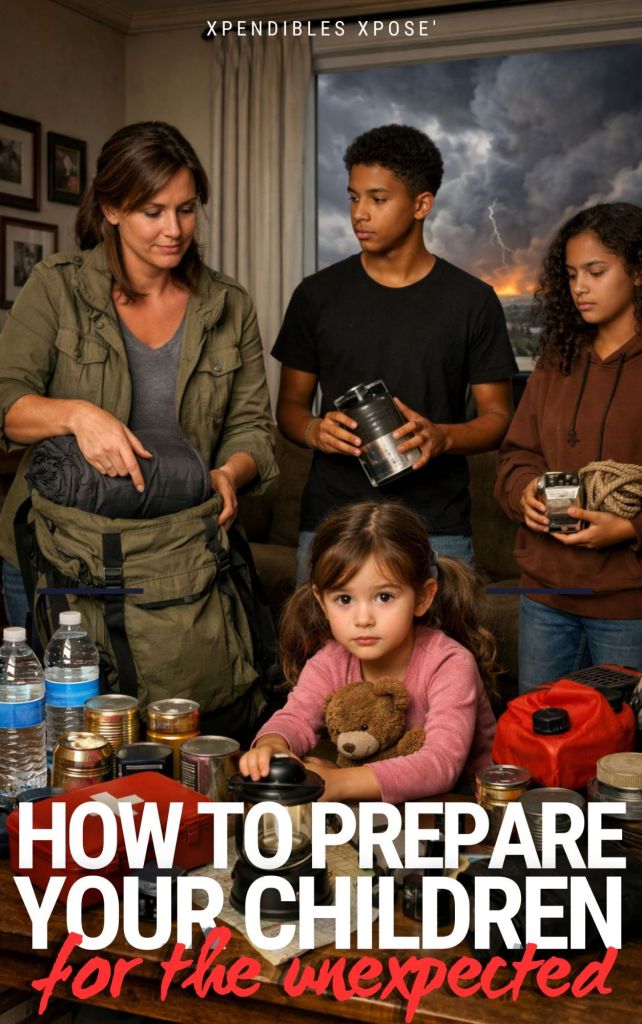
I want to begin this article by asking you, as a parent, to take a moment and think back to when you were around four or five. How did your parents or guardians teach you about safety when it came to people you didn’t know?
Did they use that one phrase… “stranger danger”?
The first time I heard it, I remember being on edge for a while. Every corner, every street, I was scanning, waiting for this person I had been warned about. But after not running into anyone who fit that image, it stopped feeling real.
At first, it works. It’s simple. Easy to remember. It teaches kids not to overshare with random people, which matters. But when that “stranger” never shows up, it starts to feel like something made up. A scare tactic meant for little kids, not something that actually exists in their world.
Fast forward to 2026. Kids are watching jump scare videos for fun.
So what actually makes them feel like there’s danger to prepare for?
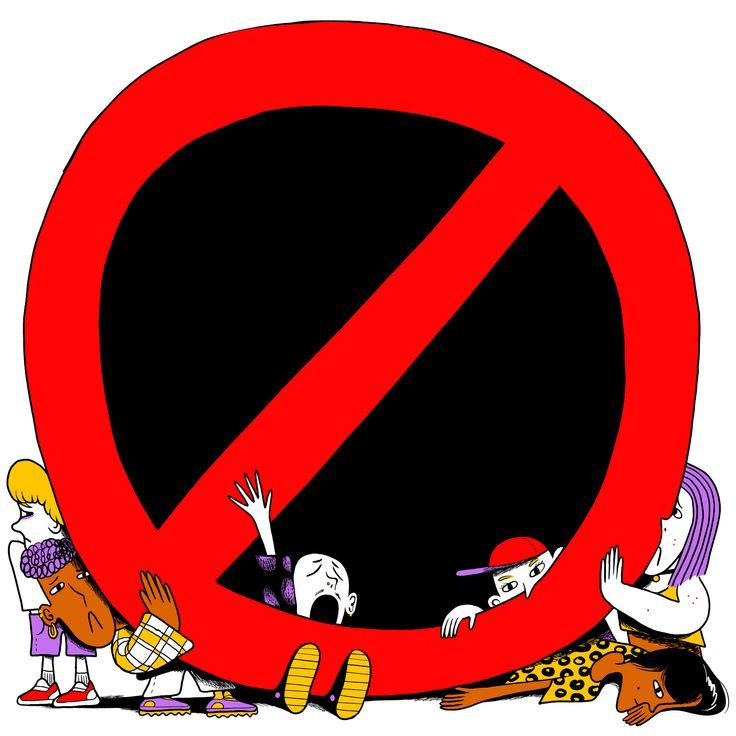
A lot of the reason that parents amd educators stopped preaching the stranger danger narrative has to do with research that was released in regards to it. Over the last decade, statistics showed that actually only about 5 to 10 percent of crimes involving children were committed by strangers, while the other 90 to 95% involved people that were previously known to the child.
Parents reacted to this information fast. They snatched them up quickly and isolated them from the world until they could come up with a safer arrangement that didn’t involve anyone who was not verifiable.
At the same time, when they made these abrupt changes, the kids were left with many questions. Im sure the parents intended to have a conversation with their chuldren about all of it but they probably wanted to get things arranged better whoch require their immediate attention. In order to get that chance without frequent interruptions from a bored child, they handed them a device to occupy them for the time being. Those conversations became less necessary because over time, the online activity replaced the time they were bugging to go out and play.
This was the unintended part.
The longer they spent inside, isolated from friends, needing to be entertained, the more that they relied on a screen to provide a solution. At the time, it looked harmless to parents because they thought that social media was the only thing they needed to restrict them from. With that understood, it was thought to have took the preventive measures to establish guidelines fornlin3 activity that eliminated any potential of harm.
They didn’t know about what they had just handed their kid. What door it opened.
One where proximity didn’t matter. Permission didn’t matter. Physical presence didn’t matter.
So, really, these threats never disappeared.
They took another method of delivery.
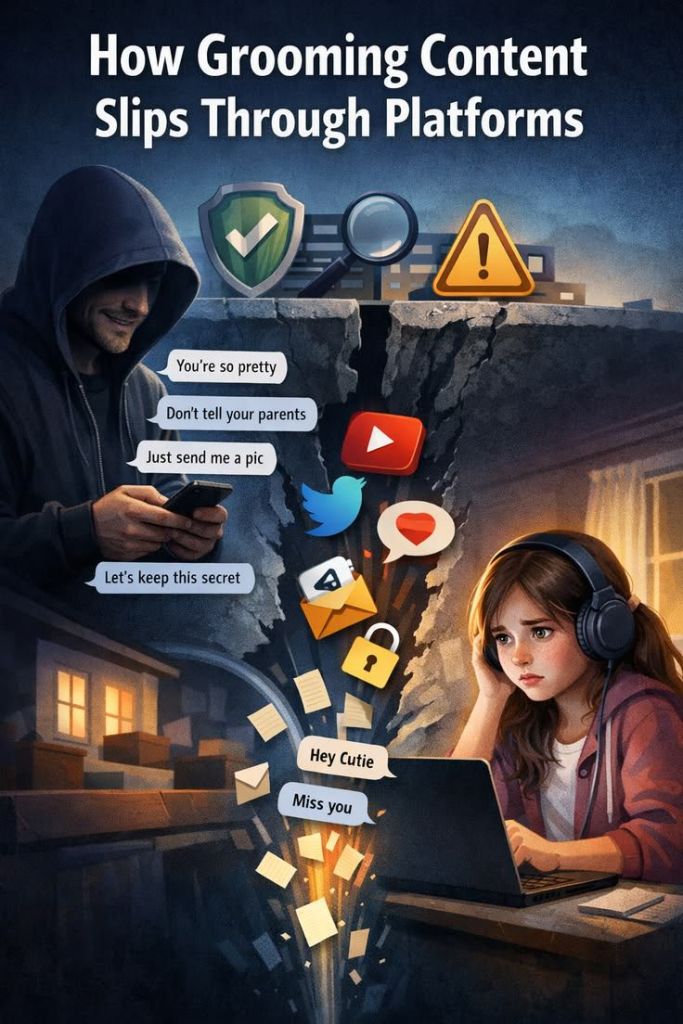
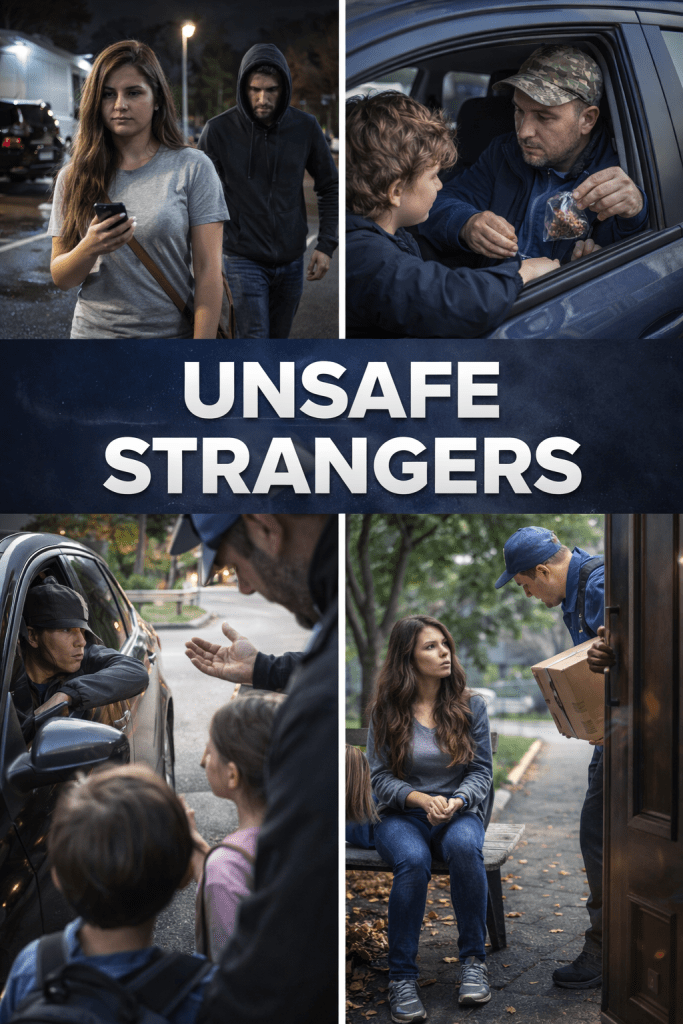
Part of the shift away from the “stranger danger” narrative came from research. Over time, statistics showed that only about 5 to 10 percent of crimes involving children were committed by strangers. The other 90 to 95 percent involved people already known to the child.
Parents reacted fast. They pulled their kids closer, tightened their circles, and started trying to control every environment their child entered. The goal was protection, but the execution was rushed.
In the middle of all of that, kids were left with questions.
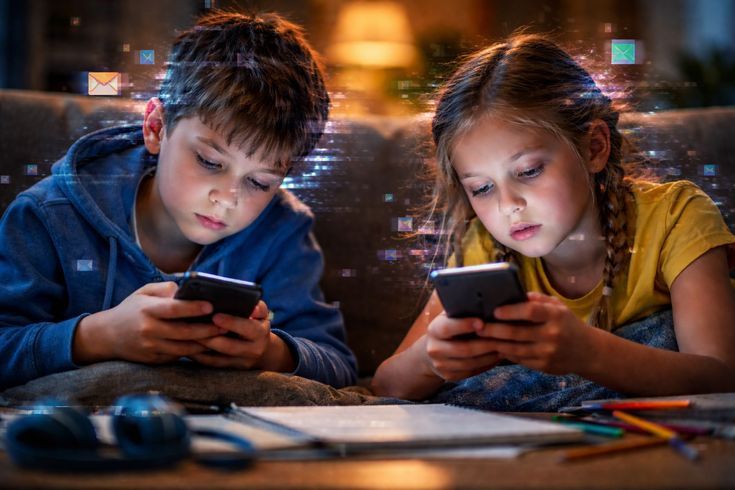
Conversations were meant to happen, but life doesn’t pause so you can perfectly explain things. So to buy time, to handle everything else that needed immediate attention, parents did what made sense in the moment. They handed their kids a device.
Something to keep them occupied.
And over time, those conversations started to feel less urgent. The same kids who used to beg to go outside were now quiet, entertained, and contained.
That’s the part no one planned for.
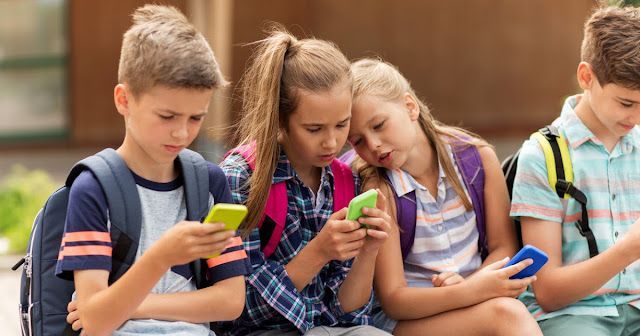
The longer they stayed inside, the more they relied on screens to fill the gap. And at the time, it seemed manageable. As long as social media was monitored or restricted, it felt like the risk was handled.
But that wasn’t the full picture.
Because what was handed to them wasn’t just entertainment. It was access.
A space where proximity doesn’t matter. Where permission doesn’t matter. Where someone doesn’t need to physically show up to reach your child.
The threat didn’t disappear.
It adapted.
It found a different way in.
And that’s where a lot of people missed it.
You can’t rely on always being given accurate information about what to watch for. Trends change. Tactics evolve. The rules people were taught don’t always apply the same way anymore.
What you can rely on is knowing your child.
You know which one is guarded. Which one is open. Which one will talk to anyone without thinking twice. That awareness will always matter more than any blanket rule.
And that’s where this connects back to emergency preparedness.
Preparing your child for the unexpected isn’t just about having supplies or a plan written down somewhere. It starts with emotional readiness.
If something shifts fast and they panic, none of the rest of it matters.
But if they’ve been taught to stay aware, to notice patterns, to recognize when something feels off, they move differently. They catch things early. Subtle changes, weird interactions, moments that don’t quite sit right.
That awareness buys time.
It creates a pause between something feeling wrong and something actually going wrong.
That’s how you raise a kid who looks up instead of down. Who notices when something is out of place instead of walking right past it. Who comes home and tells you, “something felt off,” before it turns into something bigger.
Because if things ever do go left without warning, time is the one thing everyone wishes they had more of.
And awareness is what gives it to you.
As a parent, a lot of how you move comes from what you’ve lived through. Not what you were told. What you actually saw. What you experienced. What happened close enough to you that it rewired how you think without you even realizing it.
It shapes what you watch out for. What you question. What you go out of your way to handle before it even has a chance to unfold.
And most of that wasn’t something you sat down and decided on.
It showed up unexpectedly.
When you were a teenager, you probably were in that weird in between space, too. Not a kid anymore, but not fully equipped to move like an adult. Feeling misunderstood and frustrated because nobody was actually taking the time to hear you or even care about what you cared about.
I know I did, at least.
My grandmother used to say I was “too big for my britches.” Basically, I’m getting ahead of myself. She had a saying for everything. “Don’t bite off more than you can chew.”
Didn’t always make sense to me at that moment, but later on in life, I found myself repeating some of the same phrases to my own kids.
I was an only child, so my world was small. But it felt complete. I didn’t have friends outside of my cul de sac until middle school. And even then, my two closest friends lived one street over to the left and right from me.
It was that kind of childhood.
Safe and predictable. It’s almost unreal as I’m looking back.
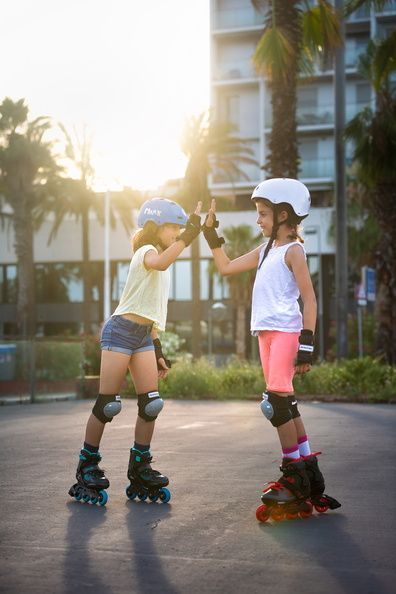
I did have a neighbor, two sisters that I played with most of the time. They were safe choices that I didn’t need to bother my grandmother to go outside and play with. They were a little weird but oddly entertaining. It took some getting used to, but they were fun either way. We would transform our cul de sac into a roller rink and other days we’d sneak back to the creek behind the houses like we were on full-blown wildlife expeditions hunting for salamanders to take home and then let go. No matter where the adventure took us, we knew when the streetlights starter humming, and once they got to their medium brightness and a louder buzz began, that was it. Time to go home.
Looking back, it felt insulated. Like our little court had a barrier around it, and nothing else existed.
But I wasn’t completely sheltered and closed off in the way people assume when I talk about it to other people.
Fear tactics weren’t the thing that kept me close to home.
It was responsibility.
My grandmother had chronic health issues. She needed a lot of rest, even if she refused to admit it. She wasn’t the type to ask for help, so I had to learn how to read her without her saying anything.
Her patterns. Her energy. The small signs that told me she was pushing too hard.
There were no chore charts. No expectations were laid out.
I just stepped in where I knew I should.
Helping with the house, saving her a trip, and getting my cousins off the bus. letting her sleep past 4 pm and make my cousins their after-school snacks so she didn’t have to. Offering them help with homework if they had any.
All of it came from observation, not instruction.
And because of that, I made sure to be available for it.
In spite of wanting more of a social life after I was in middle school, I also never wanted to become an inconvenience my grandmother by asking for rides or adding more to her plate. So when opportunities came up that could give me a chance to step out of my little bubble, I’d politely decline. Not because I was restricted to have that luxury. It was only because I chose to because I cared more about my grandmas wellbeing than a superficial bond with people that I wouldn’t talk to in a year.
I knew eventually I’d have many years to experience more of the world. But at that point, my curiosity was still innocent, and I also think my social anxiety played a part, too. I also couldn’t really relate to most kids my age. I was just bored at school. At home, I could always find something to do. Even if half those things I was doing were what middle-aged housewives were doing daily. I still had time to create something new.
Painting, Crafts, Writing, Designing outfits for a pair of illustrated girls I drew on the program paintbrush. I found something to do daily. But school was a roadblock for me.
But when it came to knowing about things to be cautious of, I thought of real danger wasn’t something I believed to be real
Because I hadn’t seen it.
I didn’t know what to look for either.
The only time I ever remember experiencing something fearful was when I got separated from my family at Disney World. I was maybe five or six.
One of those moments where every adult assumes someone else has you, and suddenly you’re alone in a crowd.
I remember a woman dressed as Snow White walking up to me, asking if I was lost. I asked for my mom’s name so they could page her.
And I froze.
Because I didn’t know her name.
She was just “mom” to me.
They wanted me to go with them to guest services. But something in me hesitated. I didn’t want to leave that area. I felt like if I stayed close to where we had just been, they would come back for me.
So I walked myself back to the restaurant we had just eaten at.
And I waited for what seemed like forever. In reality, it was only like 25 minutes.

But I was right.
They came right back to where we just ate lunch.
That moment stuck with me.
If I didn’t have a natural gift of being able to think clearly under stress, I wouldn’t have thought to go back there. I would have followed Snow White because she was an adult who worked there.
I also remembered this scare later on in life, when I became a parent.
I knew the importance of making sure they knew all our info. So before my kids ever stepped onto a school bus, they knew my full name. Not just “mom.” They knew our address. They knew how to identify themselves and me if they ever needed to.
Because that experience never left me.
Over time, I learned to trust my ability to read people. How to read a room. How to feel when something is off before anything even happens.
That instinct has been there since I was young.
And now, knowing what I know as an adult, and what has come to light about Disney World, how it was portrayed to be one of the safest places a child could go?
It’s extremely unsettling.
What if I did follow her just because she looked safe?
Because she was dressed to appear as familiar person?
That line is thinner than people want to admit.
And a lot of safety comes down to awareness.
So, how do you teach your kids that level of awareness, in a completely different world, without them having to experience something first?
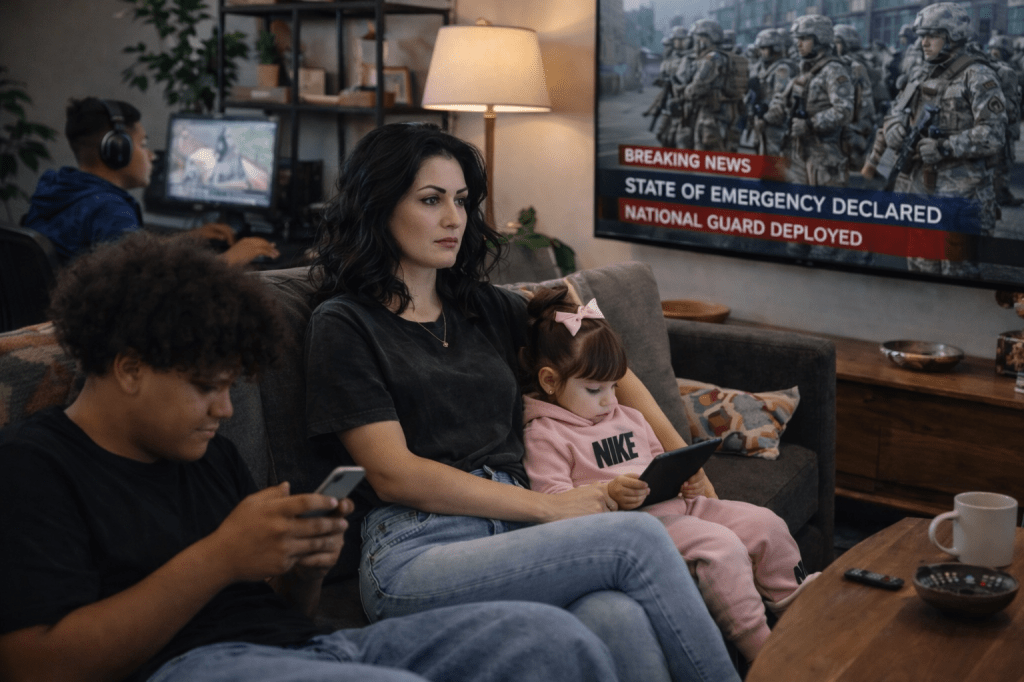
Nowadays, teenagers don’t hear you the way you think they do.
The moment you finish your sentence, they dismiss it. Not because they’re being rude or disrespectful. It’s really not personal. They are just so desperate for someone to understand them and not treat them like a little kid. They are so blinded by that desire that they somehow think they already understand.
But they didn’t really listen to what you said. All they heard was your tone.
That they do know.
They hear only the control, not the actual message.
They assume you are being dramatic.
They think you have some advanced agenda to overly complicate their lives and get in the way of their very poorly arranged plans with friends that have no agenda. They assume you assume its all based on situations that “don’t even happen.”
But you’re not reacting to what they see.
You already know their lens.
You’re reacting to what they don’t see.

Back in the 90s, you were aware that the rulebook was different.
Now that same chapter isn’t even a chapter anymore.
It’s a completely separate book.
And it’s digital.
So now you’re trying to prepare them for something you didn’t grow up navigating yourself.
At the same time, you’re raising individuals.
There is no one size fits all.
Every single one of my kids requires a different approach. Different personality. Different instincts. Different ways of understanding the world.
And I knew walking into this, I couldn’t just sit them down and say, “Hey, I’m preparing you for worst-case scenarios.”
They’d roll their eyes before I even finished the sentence.
So I had to get creative.
I had to find ways to build awareness without announcing it.
Ways to simulate real-life thinking without making it obvious.
Because it’s hard to teach someone how to respond to something they’ve never experienced.
But if you introduce it the right way, consistently, it becomes instinct.
That was the goal.
And I knew it wouldn’t be simple.
Three kids mean three different systems.
But that was the only way it would actually work.
This wasn’t my first time figuring something like that out either.
In fact, I guess you could say I specialized in this type of thing.
By 19, I was licensed through my state as a behavior therapist. Working with children who couldn’t communicate the way others could. Kids who expressed frustration through behavior because they didn’t have the tools to say what they needed.
That experience changed everything for me.
I walked into it just looking at it as a job.
I walked away from it feeling like I contributed towards something and made someone else’s life better because of my dedication.
Not to mention, my mind changed about what I wanted to do for the rest of my life. I knew that I felt useful in pretty much any role I ever took on, but none of them were fulfilling. Making a difference in a child’s life made my job feel rewarding. Getting paid to feel good about making someone else feel good changed my whole perspective on just setting for a job that I wasn’t living to my full potential.
It made me see that I didn’t know everything and with learning something new, look what it revealed about things I didn’t ever think would be something to interest me.
I was so small minded in the sense of not seeing outside of what I thought I wanted. And the roads that led me there, were no coincidence.
The things that I learned there, I still continued. Way later with my own children. It’s shaped them into being decent children.
Not that they don’t have their moments because they do.
But time, attention, a simple adjusting of approach, and a prior knowledge of behavior and where it stems from helped me guide them through the rough spots.
It also made me more equipped to deal with the schools and advocating for my children in a way that didn’t look like I was making excuses but respectfully communicating to them the miscommunication in a way that doesnt isolate him in these classrooms where hes misunderstood.
Behavior is communication.
So, instead of reacting to the behavior, you find the root.
And you adjust your approach to the individual.
I brought that into my home.
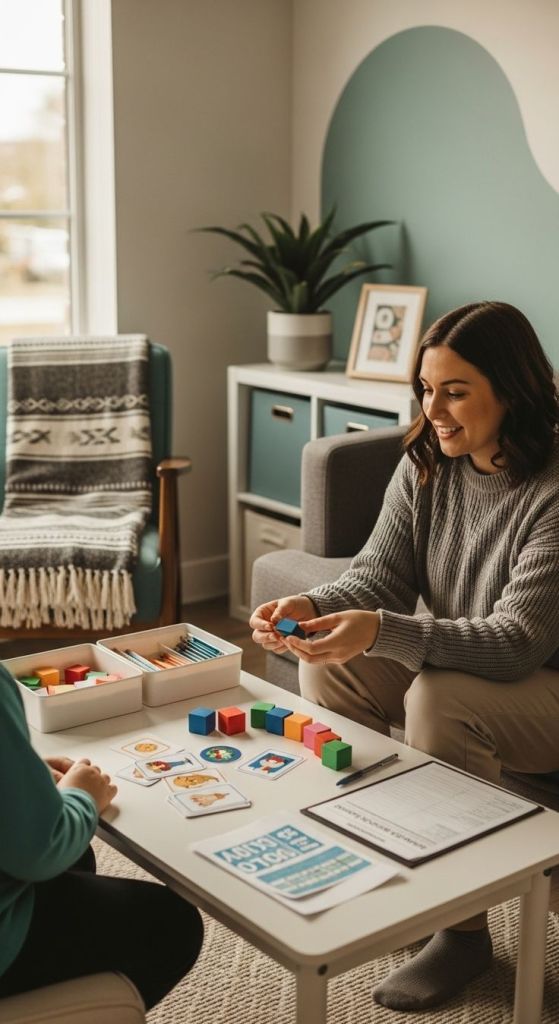
When they were little, for example, instead of shutting them down, I redirected any negative behavior before it got to built up.
Instead of “no, dont touch that,” I’d say “my turn.”
Instead of reacting to a meltdown, sometimes I’d jump in and shift their focus.
And when that doesn’t work, Id guide them to communicate to me to get through it.
“I don’t understand crying. Use your words so I can help you.”
Because most of the time, the frustration comes from not knowing how to express what they need.
That applies way beyond toddlers. The tantrum days are over but it’s so unconscious to me that I still use it when dealing with each of them without even realizing it.

In matters of safety and preparing for the unexpected, I knew ahead of time that I didn’t want to lead the conversation with fear.
Because if I did, everything after that would be rooted in fear.
And fear doesn’t teach awareness.
It teaches avoidance.
So, instead, I focused on sharpening their ability to recognize patterns.
To pause.
To think.
To trust when something feels off.
Because that’s what actually protects them.
Not memorized rules or empty, outdated phrases.
Awareness and Pattern Recognition.
This balance isn’t easy to achieve.
You can lean too far into control and stunt their growth.
Or you can give too much freedom and leave them to make mistakes that you can’t undo because they are out of your grasp.
And if you’re not paying attention consistently, you’ll do one or the other without even realizing it overnight.
I believe that our children are the most important job we will ever have.
And our job isn’t just to put a roof over their head, feed them and clothe them.
We are responsible to protect them.
To shape them
To prepare them for scary things.
To raise people who can think, assess, and move through the world without us standing right next to them.
There’s no single formula for that.
You don’t have to scare them to prepare them either.
And you don’t have forever to figure it out.
Because the whole thimg with preparing for the unexpected is not expecting it.
If you teach them all the above, if and when it shows up, whether you were ready or not,
they’re going to have the ability to handle it.
Even if it’s not something they have done, or any of us have done, before.
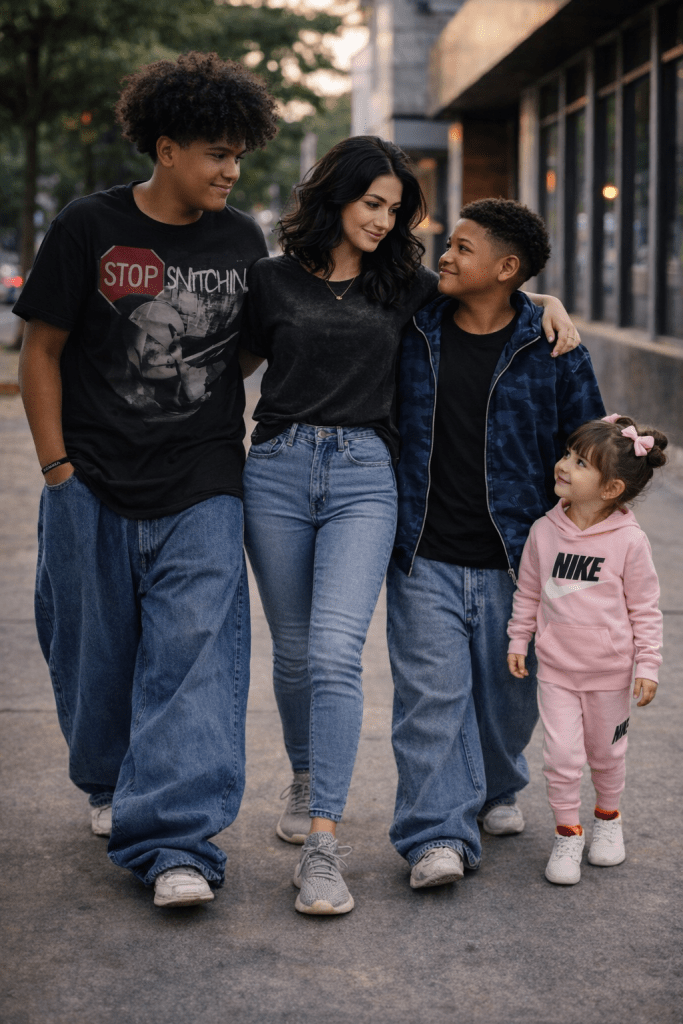
You don’t need a whole new system implemented with a doomsday clock on the wall hung to be intimidating. You don’t need really any kind of survival prep included in the first portion of getting your children emotionally ready to handle things of this nature. In fact, i wouldnt even mention it when you are focusing on the emotional portion of these preparations.
Most of what actually builds resilience, awareness, and decision-making is already happening inside your home. It’s in the way you respond to them, the space you give them, the conversations you allow, and the moments you don’t rush to save them, or take control. the difference is being intentional with it. Taking what you’re already doing and using it to build something deeper.
This is where it all becomes practical. These aren’t extreme measures or unrealistic expectations. These are everyday interactions that, when done with purpose, start conditioning your kids from the inside out. They don’t feel like lessons, and they don’t come off as forced. But over time, they build kids who can think, adapt, stay grounded, and handle situations without falling apart when you’re not right there.
Over time, these are the things that have helped me close the gap between me and my kids… and they’ve made a huge difference in how we handle things collectively as a family since I intensified their necessity.

1. Letting Them Make Small Mistakes
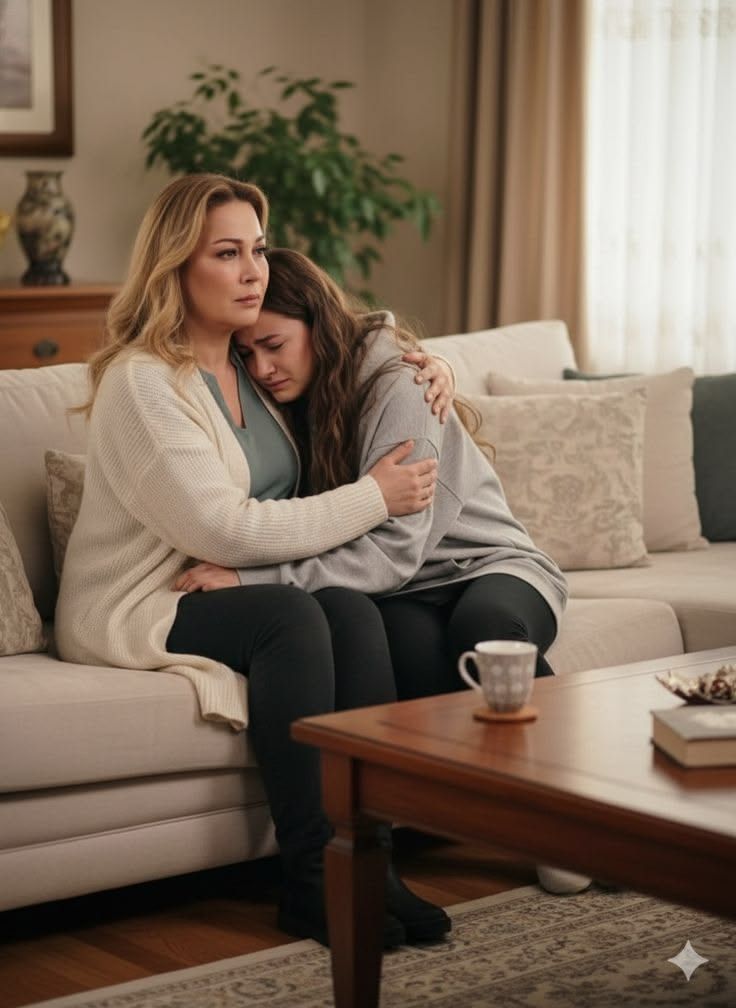
Letting your kids make small mistakes is one of the hardest things to sit through, especially when you can see the outcome before it even happens. Every instinct in you wants to step in early, fix it, or redirect it so it doesn’t go left. But when you do that every time, what they actually learn is that you will always catch it before it falls. When you step back just enough to let them feel a missed step, a bad call, or a small consequence, you’re giving them something way more valuable than comfort… you’re giving them experience.
Those small moments are where emotional control gets built. They learn how it feels when something doesn’t go their way, and more importantly, how to recover from it. Instead of panicking, blaming, or shutting down, they start thinking. What happened. What did I miss. What do I do next time. That ability to recover is what carries into real-life situations where you won’t be there to soften it.
2. Giving Structured Choices Instead of Commands
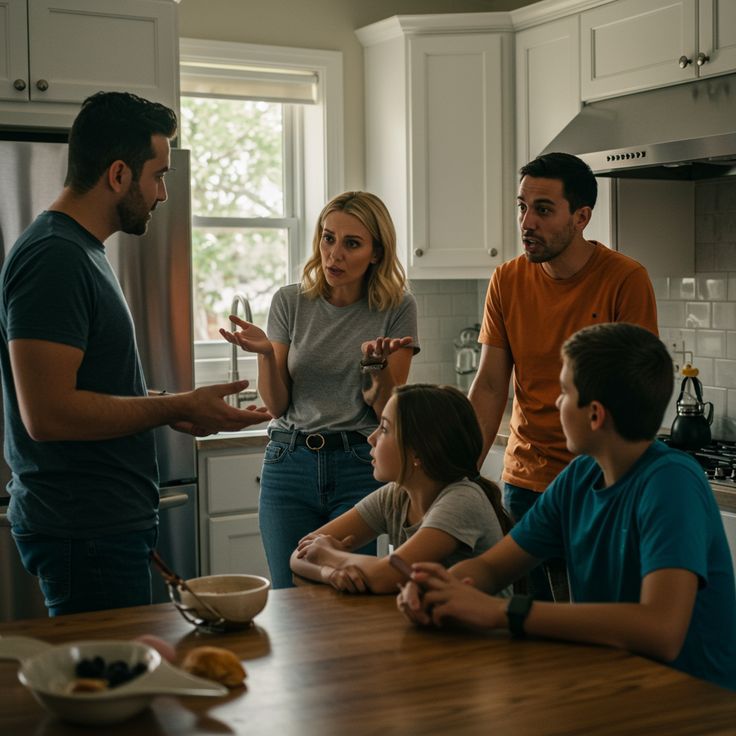
When everything sounds like an order, kids stop hearing you. Or they hear you, but they resist it just to feel like they still have control over themselves. Giving structured choices changes that dynamic completely. You’re still guiding the outcome, but now they have ownership in the decision. “You can either go out to eat with your friend tonight or he can come over tomorrow, during the day, and hang out.” They originally wanted to go out to eat, have their friend come back and stay the night. But food is expensive. My boys are growing and eating a lot. This friend is half their size, and yet, eats more than they both do, combined. I have to prepare before he comes, or I will be camping out in the kitchen and scrolling through amazon for a fridge lock in the time in between. It’s not that I dont like the kid. I just need more than a few hours notice. Because I have regular life demands going on that can’t be interrupted to prepare for a sleepover and a few hundred dollar grocery trip to ensure my pantry isn’t raided after i head to bed. That shift alone makes them feel like they had a choice, and they weren’t just shut down. I gave them freedom and the possibility of a friend coming over but with perimeters in place so it doesn’t overstep into inconvenience for everyone else.
Over time, this builds decision-making under pressure. They get used to evaluating options, even if the choices are small at first. And when something bigger comes along, that pause is already built in. Instead of freezing or acting impulsively, they’re more likely to assess what’s in front of them and choose a direction. That’s a skill they’ll use long after they’re out of your house.
3. Listening First Instead of Correcting Immediately
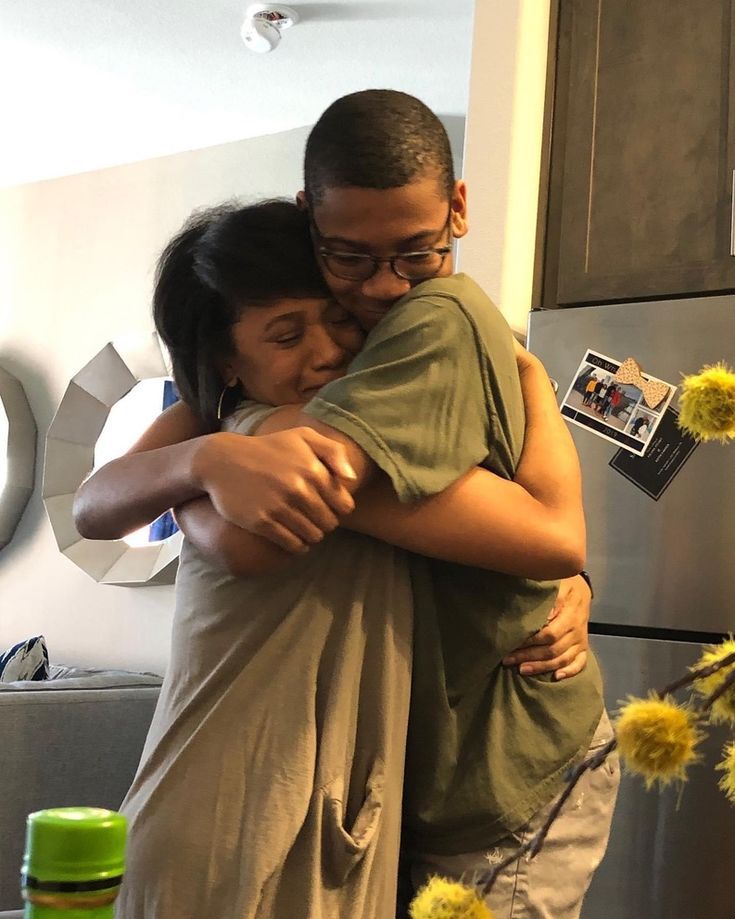
It takes real restraint to listen when you already know they’re wrong, missing something, or about to take something the wrong way. But if every conversation turns into correction, they eventually stop opening up. They start filtering what they say or keeping things to themselves entirely. And that’s when you lose insight into what’s actually going on in their world.
When you listen first, you create space for them to think out loud. Even if it’s incomplete or off, you’re allowing them to process in real time. Then later, when you circle back and connect the dots using their own words, it lands differently. It doesn’t feel forced. It feels like understanding. And kids who feel understood are far more likely to speak up in situations where it actually matters.
4. Teaching Pattern Recognition Instead of Fear
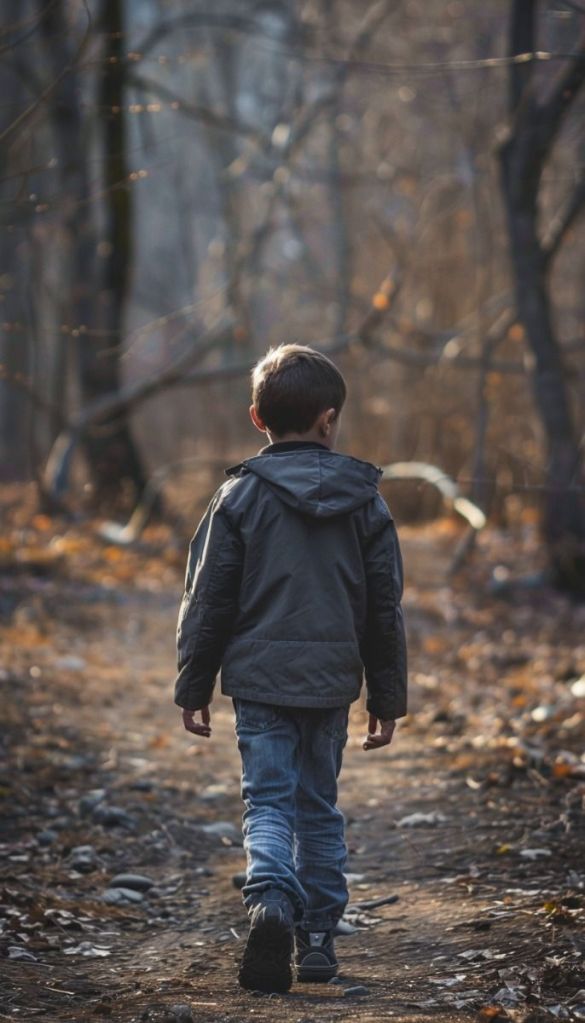
This is a major one.
Telling kids “don’t do this” or “stay away from that” only works in predictable situations. Real life isn’t always that clear. Most unsafe situations aren’t previously predicted to happen. They might feel off before they actually look wrong.
That’s why teaching patterns matters more than teaching rules.
When you teach them to notice changes in behavior, urgency, tone, or environment, you’re training their instincts. They start picking up on things that don’t sit right, even if they can’t fully explain why. That awareness becomes their first line of defense.
Not fear or panic.
Just a gut feeling that something isn’t right… and they need to move differently.
This isn’t something you can teach sitting inside talking about “what ifs.”
It has to be practiced.
I will give you an example.
One night, I had a urgent reason to go to the store after 11pm. I unfortunately, couldnt move my car but the store was in walking distance. Ive done it a dozen times just not with any kids in tow. I thought it could be a good opportunity to expose my son to how much different it is at night walking to the store vs during the day. The first thing I had him do was put his phone in his pocket so there were no distractions. I wanted to walk him through my process, what to do and how to, because its super important to know how different it is at night it is just simply walking to the convenient store not even a mile away. I wanted him to do a scan and notice what was all around us. People on foot. The cars going by and the frequency in which they passed. I wanted him to recognize reckless drivers who probably were drunk driving home from a downtown bar given the time of night and although they werent speeding, they were unpredictable in how they would travel down the road because they were impaired. He recognized alot of the main things I wanted him to. The things he missed I aided him in discovering himself so he didn’t feel like he missed recognizing them.
And after he was feeling good about himself i asked him if he wanted me to teach him some new skills.
I explained how to gauge someone’s distance just by the sound of their footsteps and we got a few passerby to try it out on.
I also showed him the sidewalk etiquette rule about crossing the street to the opposite side if someone is walking towards you.
I showed him how to notice when someone’s pace changes or starts matching yours and stayed back a few seconds and let him go ahead so he could see firsthand.
I told him about how you can use the same rules aa when you drive a car by pay attention to a persons rate of travel to get an idea of their intent … are they just traveling behind and past you to get to their destination or do they seem anxious or nervous, with theit steps uneven and inconsistent as if they are lingering.
Because distance is very important. Especially at night.
If you wait until someone is too close to decide, you’ve already lost your advantage.
I showed him several ways that night of how to think ahead.
Trusting your gut feeling because something feels off, is always a good reason to cross the street early. Who cares if it’s a false alarm. Atleast you acted on your intuition.
You don’t get the advantage if you are forced to react.
Position yourself, no matter how far away other peoole are. You never want to be boxed in.
Stay in open areas on lit streets.

Know more than one route there and back, so if you have to go off route you know another way back home.
This was a few years ago but I remember it as if it were yesterday. I knew this would be a perfect little exercise tailored just for him. It wouldn’t have been effective if I brought voth my sons. My older son wouldn’t have been receptive either because he already would act like he knows it all. I knew this was right, for my younger son. Hopefully he remembers it as much as I still do today.
I wasn’t teaching him that to make him paranoid or scared.
I was teaching him how to increase a natural awareness that he already possesses once things are altering the normal conditions he’s become known to expect during the daytime.
And this goes beyond just walking at night.
It’s all the time.
Strangers aren’t always obvious.
It’s not always the person who “looks” sketchy or is acting odd or suspicious.
Sometimes it’s being caught off guard by
someone randomly approaching you and asking you for your help.
No adult in their right mind would approach someone elses child requesting help from them. Anyone in their right mind wouldn’t do that. It’s one of those unspoken rules between adults.
I tried to pack in as many useful lessons on our way there and back with only the two of us because it’s rare that it’s just the two of us.
Because the goal isn’t to teach them what to do when something happens.
It’s to teach them how to recognize it before it does to avoid it entirely or at least soften it’s landing.
Because one day…
you won’t be there to point it out.
And in that moment, they won’t have time to figure it out from scratch.
They’ll rely on what’s already built within them.
You don’t want to raise kids who are scared of the world.
You’re raising kids who can read it.
And that’s what actually keeps them safe.
5. Practicing Awareness in Real Environments

You can’t teach awareness sitting in a living room talking about it. Number Four is a prime example of practicing awareness. These things are absolutely necessary. Our biggest hindrance and object of distraction is our phones. Pair it with airpods or headphones, and you are decreasing your awareness by two. You can’t hear what’s walking up behind or two the side of you, and you aren’t paying attention to any of your surroundings when you are looking down at a screen. It’s not just my kids, either. It’s all kids lately. Next time you see a group of high school or middle school kids getting off a bus, more than half of them will have their phone on hand or airpods in their ear. Walking outside without distractions, noticing sounds, watching movement, reading people… those are real skills that only develop when they’re actually used. When you take the time to walk through that with them, you’re showing them how to stay present in their surroundings.
This builds focus in a world that constantly pulls their attention away. It teaches them to scan, to listen, to observe without being obvious. Over time, it becomes automatic. They don’t have to think about being aware… they just are. That’s what prepares them for situations that shift quickly.
6. Stepping Back Instead of Saving Immediately
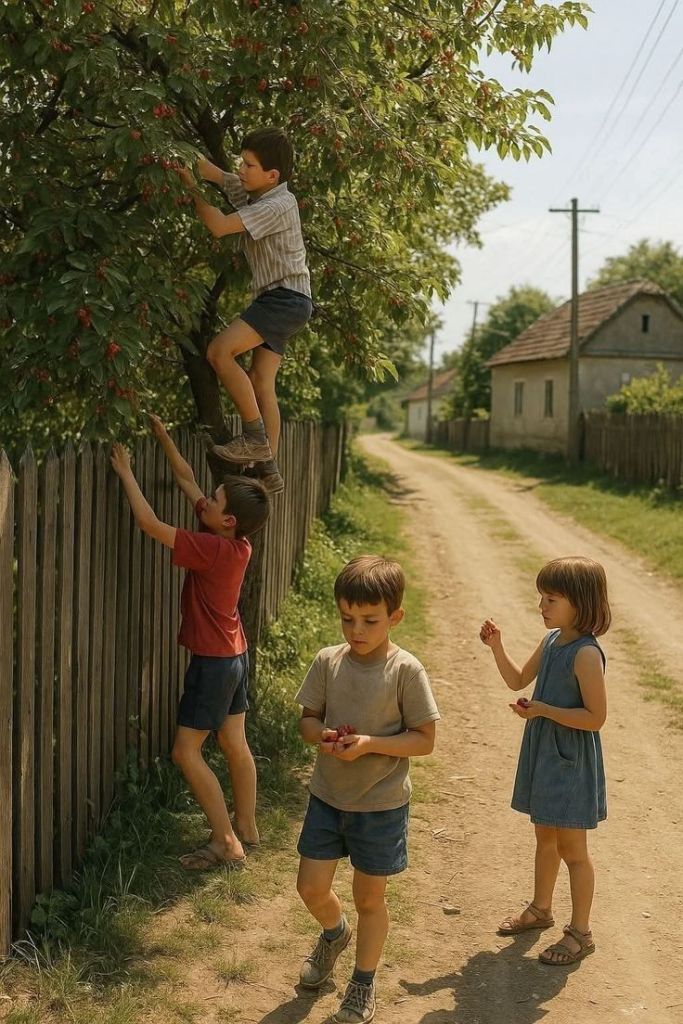
There’s a difference between protecting your kids and preventing them from ever feeling anything uncomfortable. When you step in too quickly, you remove the moment where they would have had to figure something out. And while it feels like you’re helping, you’re actually delaying their ability to handle things on their own.
Stepping back doesn’t mean you’re not paying attention. It means you’re giving them space to try, to think, and to respond before you step in. You’re still there if it goes too far, but you’re not the automatic solution. Over time, they stop looking for you to fix everything and start looking at themselves to figure it out.
7. Assigning Real Responsibility
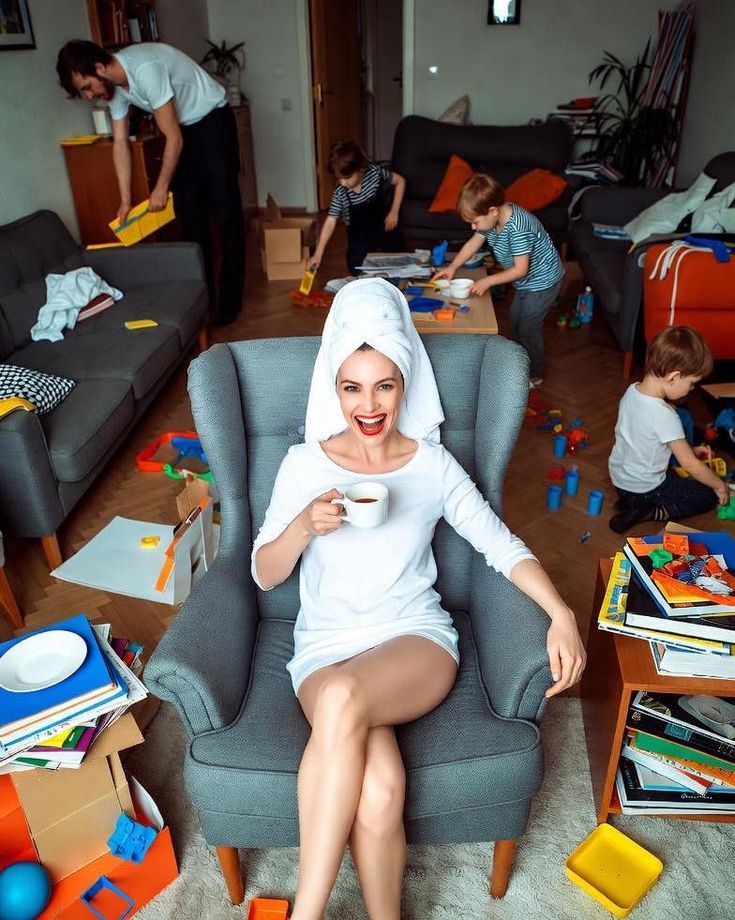
Kids know the difference between busy work and something that actually matters. When you give them real responsibility, something that affects other people or the household, it shifts how they show up. They start to understand that their actions have weight, that people are relying on them to follow through.
That builds accountability in a way lectures never will. It teaches them to think ahead, to manage time, and to consider outcomes beyond themselves. And when they carry that into real life, they’re not overwhelmed by responsibility… they’re already familiar with it.
8. Involving Them in Everyday Decisions
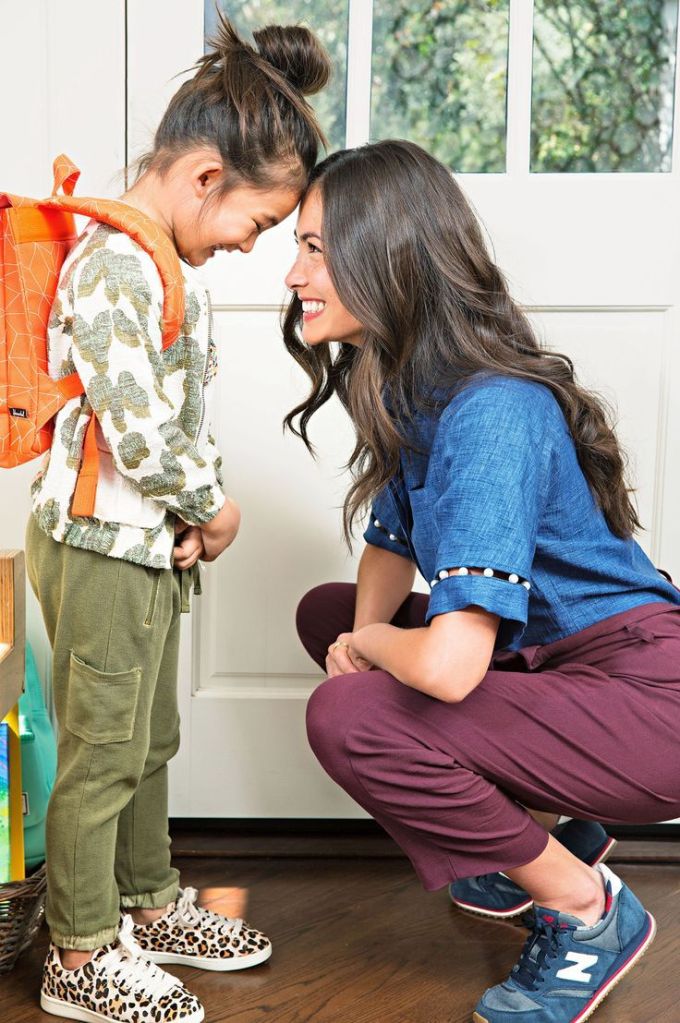
When kids are included in decisions that affect everyone, even small ones, they start to see the bigger picture. It’s not just about what they want in the moment. It’s about balance, compromise, and understanding how choices impact other people.
That builds awareness beyond themselves. They learn to think about consequences in a broader way, not just immediate gratification. And that mindset carries into real situations where decisions aren’t just about them, but about the people around them too.
9. Using Food as a Connection Tool
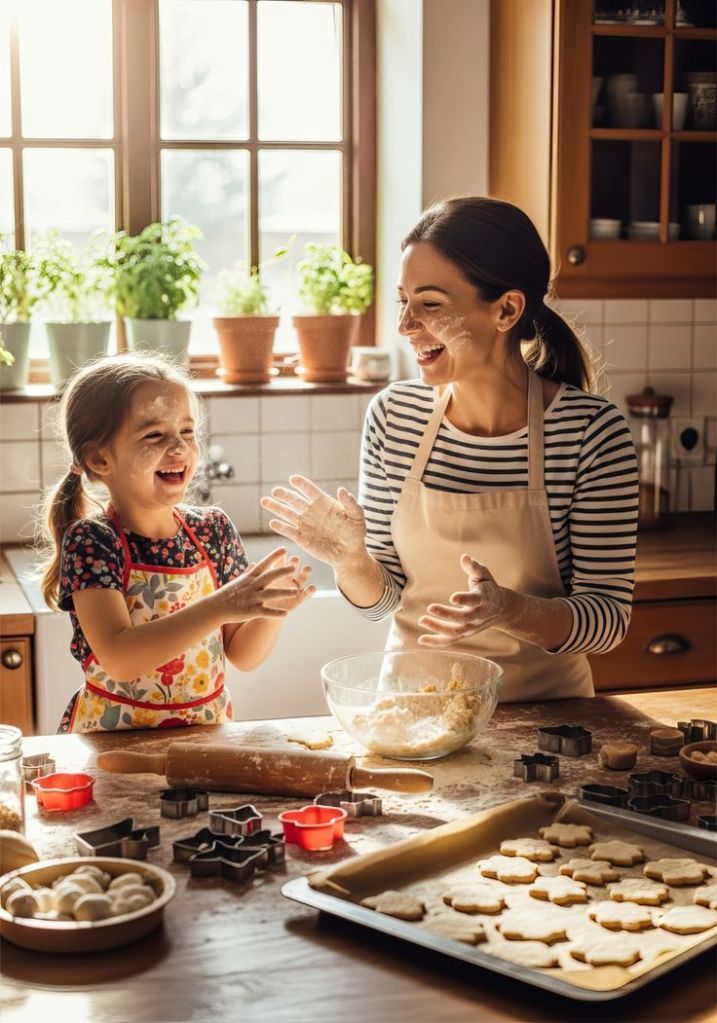
Food becomes more than just something you make to provide sustenance. It becomes a way you connect. Taking their requests, cooking what they love, and involving them in the process, it creates a space where they feel seen without needing a heavy conversation. It’s a quiet form of care that doesn’t overwhelm them, especially in moments when they’re still adjusting.
That consistency builds emotional security. They know they matter. They know they’re thought about even when they’re not there. And that kind of grounding makes a difference in how they move through the world. Kids who feel secure don’t react out of EMPTINESS because they end up moving from a place of stability.
10. Creating One-on-One Time
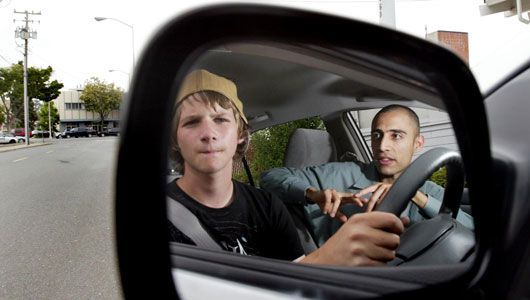
Group settings rarely bring out real conversations. It’s in those one-on-one moments, in the car, on a quick run, sitting next to each other without distractions, where things start to come out. That’s where they say what’s actually on their mind.
Those moments build trust. They know they have space with you that isn’t shared, where they can speak freely without being judged or interrupted. And when that trust is built, they’re more likely to come to you when something real is happening, not just when it’s easy.
11. Saying “I Love You” Out Loud and Often

Love shouldn’t be something they have to assume. Saying it out loud, consistently, especially on hard days, creates a foundation they carry with them. It removes the question of where they stand with you, even when they’re being corrected or going through something.
That emotional security shows up in how they handle pressure. Kids who feel grounded in love don’t crumble the same way. They’re not searching for validation in the wrong places because they already know where they’re rooted.
12. Studying Their Strengths and Supporting Them
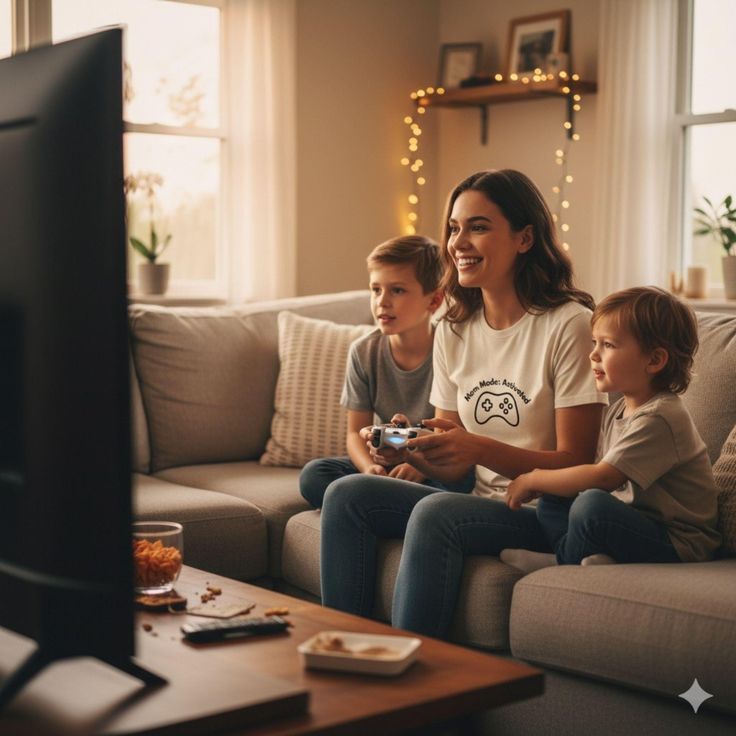
Every kid has something that comes naturally to them, but if nobody points it out or builds around it, it goes unnoticed. Paying attention to what they gravitate toward and supporting it gives them a sense of identity.
When they know what they’re good at, they move differently. They make decisions with more confidence because they understand themselves. And that self-awareness becomes a guide when they’re faced with uncertainty.
13. Encouraging Sibling Bonds
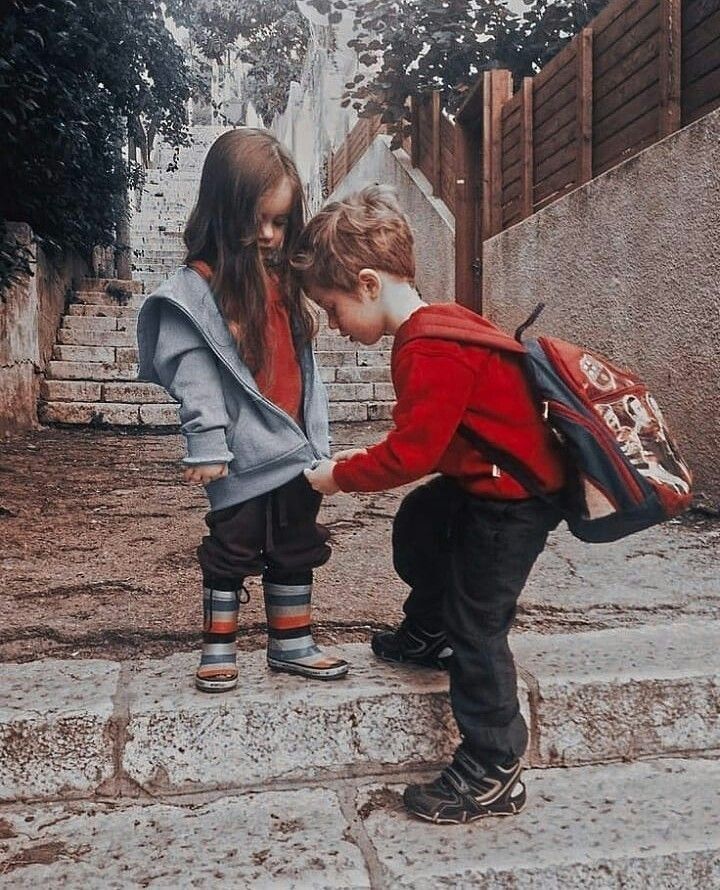
Siblings can either become each other’s support system or each other’s biggest source of tension. That direction isn’t accidental. It’s shaped over time. Creating moments where they rely on each other, work together, and respect each other builds something that lasts beyond your involvement.
Because one day, they won’t have you in the middle of everything. But they might only have each other. And that bond becomes a safety net in ways you can’t always provide.
14. Modeling Emotional Regulation Yourself

Kids don’t just listen to what you say. They watch how you respond. How you handle stress, how you adjust to change, how you react when things don’t go your way… all of that becomes their blueprint for how they respond to life.
If you stay grounded, they learn grounded. If you overreact, they mirror that, too. Emotional regulation isn’t something you can just teach with words. It has to be shown. Over time, they pick it up without even realizing it.
15. Adjusting Your Approach Based on Age and Awareness
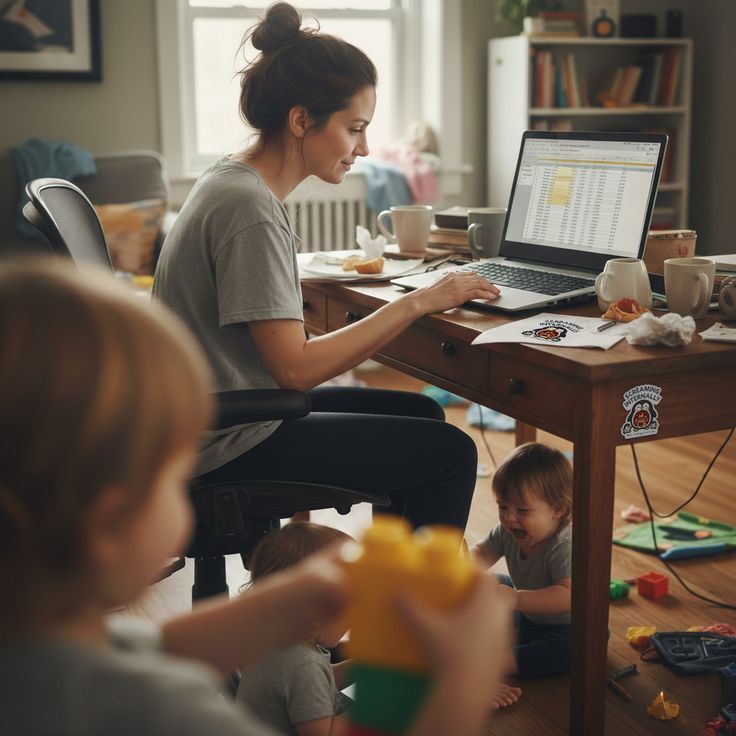
What works for a teenager won’t work for a five-year-old. And trying to apply the same approach across the board creates confusion. Younger kids need closer guidance, simpler explanations, and more protection. Older kids need space, responsibility, and real-life exposure.
Understanding where they are developmentally allows you to meet them where they are, not where you expect them to be. And that’s what makes everything else actually stick.
That sums up the list that is essential in preparing you children to handle things in life that might nor be expected but are still navigable because they’ve been taught to handle things in other areas of life so it’s already ingrained in how they move.
None of these things are difficult to do. Many of these you probably do some of these already in your home now.
I know that a child who can stay calm, thinks clearly, can read & make decisions, can ultimately recover when things don’t go as planned. It means that they are already equipped with several tools that can benefit them throughout their entire life.
You’re not preparing them for one specific situation anymore.
You’re preparing them for whatever comes their way.
This is the first step in the process of preparing your children for the unexpected. None of what I mentioned contains any “disaster prep” terminology or things that hint that it’s the direction, just as I said in the beginning. Again, I did that intentionally.
This phase is part one. The foundation is where work needs to be done first. The infrastructure before cranking up intensity.
If your child isn’t emotionally in tact, they will crumble under pressure. If there is a breach in communication, then conflict and miscommunication will arise.
You need them to be ready if one day, the moment comes. But the first step is to repair or build onto the areas where there are cracks that need mending before expecting them to put on their gear to prepare to fight.
Theres probably not going to be day that comes where you are going to run up to any of your kids and say, “Alright, the time has come. We gotta start prepping for a full emergency situation,” and hand them tools, and expect them to just jump.
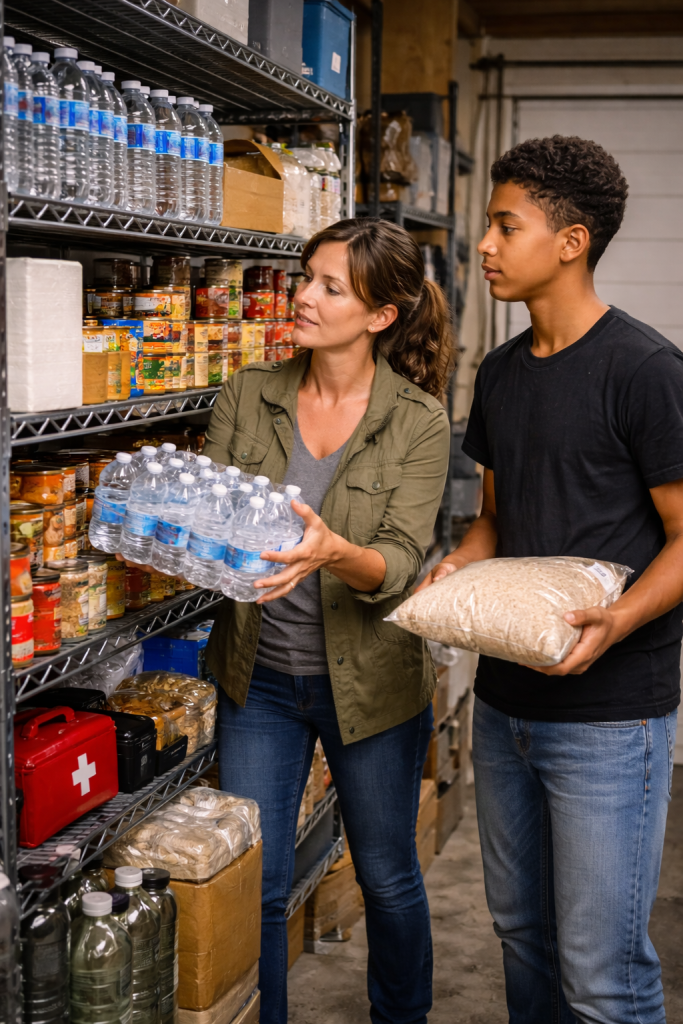
They will think you are “trolling” them.
In my home, I can tell you now what each would do.
My younger son will would roll his eyes.
The older one will walk out the room.
My baby girl would be putting on her rainboots while still in her nightgown and be standing at the door, arm full of plushies, yelling to the other side of the house for me to make her a drink to go.
Each of their responses are different, which further proves the need for three separate plans for each child. My daughter takes everything I say and acts on it without hesitation. My older ones will just assume that I saw something online and started tripping for a minute.
And honestly, I don’t blame them.
You can’t jump straight to that and expect them to react blindly.
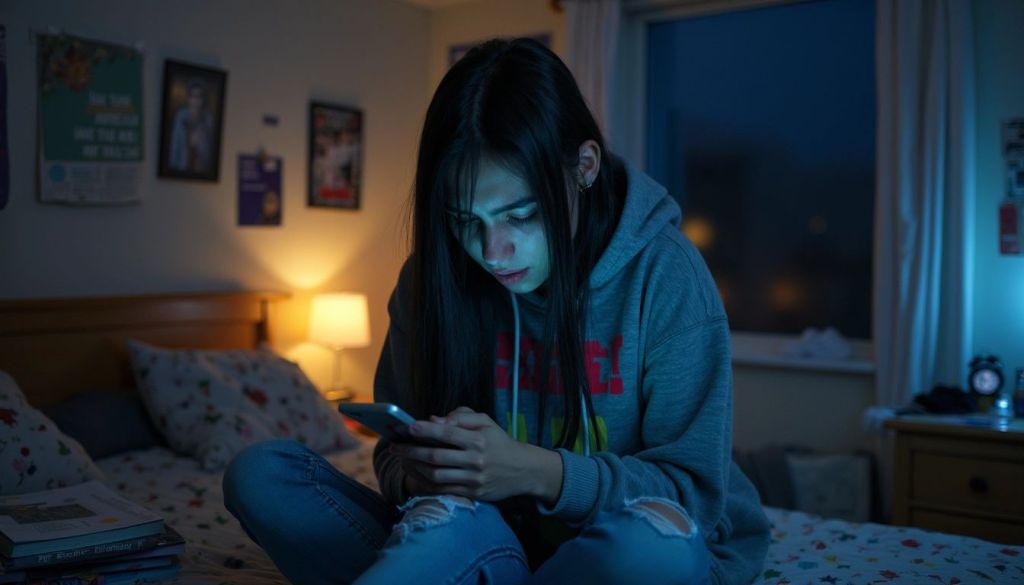
But what this list does is provide you with a starting point..
How you can start before that moment ever comes.
How you can help them build other skills that won’t sit unused. Ones that will be beneficial later.
The way you eliminate misunderstandings.
The way you value their opinion and rely on their input to make important decisions.The way you talk to them.
The way you listen.
The way you love them.
All of those small, everyday things that aren’t too difficult to do.
They’re not small to them because ultimately
They’re building something underneath everything else.
So if a moment does come in the future,
the chances of them being ready to stand behind you will be a lot greater then you think.
And even if its new territory, they will be able to predict your moves and be essential in whatever steps you need to take to properly protect your home.
You’re not forcing something unfamiliar on them.
You’re building on something that’s already there.
That gap between “they’re not ready” and “they can handle it”?
It doesn’t feel so wide anymore.
Because you didn’t lead this process of preparing them with fear.
You started from the inside and worked your way out.
And that’s what actually prepares them.
For anything.

 XposedX Xcerpts