

Every interaction you have has the potential to leave an imprint.
It can have either a positive or a negative influence over you.
And no words have to be exchanged for it to affect you.
Have you ever had anyone confess to you after talking with them, something like,
“I feel so much better after talking to you.”
They might have been going through something emotionally prior to talking to you, and even if they didn’t divulge the details to you before the exchange, you somehow helped them unknowingly just by being pleasant and friendly to them in that moment.
You might not have discussed anything of real substance.
It could be as simple as a run-in with your neighbor at the mailbox, and you all have a few minutes of back and forth about the weather.
It didn’t have to be some gut-wrenching emotional exchange to dramatically affect the other person.
You don’t know that, just moments earlier, they were going through some really intense feelings.
They walked out to the mailbox, feeling one way and returned inside, feeling better.
They really can’t comprehend why that is.
There was nothing uplifting said that seemed capable of brightening their day.
Yet, they felt better.
They just don’t understand why.

You’ve also probably experienced the opposite of that as well.
If you come in contact with someone in an irritable mood, it has the potential to change the atmosphere of an entire room just as the exchange with the neighbor.
It also can potentially linger long after they’ve gone.
These emotional exposures between one another can influence our thoughts, mood, patience, and overall well-being without us even being aware it’s happening.
The conversation may end, and everyone continues on separately in their day, yet the emotional impact doesn’t.
If you work in a people centered profession such as hairstyling, barbering, nail technology, tattooing, massage therapy, esthetics, healthcare, or counseling, you’ve probably joked once or twice about needing to charge your clients a separate bill for the therapy sessions.
There’s actually more truth in that joke than people realize.
Energy transfer is the emotional impact people, places, and situations can have once that access has been given.
Establishing a healthy boundary in these interactions can lessen the effect they have on you after the conversation ends.
That doesn’t mean treating people like they need a warning label.
Don’t get me wrong.
Some of your clients very well might need one.
Ethically, though, you can’t go around slapping stickers on people.
You also can’t dismiss someone as a client simply because they’re chatty.
What you can do is take a few preventive measures that soften the experience while maintaining an unspoken boundary.
Instead of verbally telling someone they’re sharing too much, you can subtly guide the conversation in another direction or create an environment that naturally encourages them to tone down certain topics.
Here’s an example to give you a better idea of how to handle this type of client if you have one who sounds familiar.
Maybe you have a regular client who is pleasant, respectful, and not difficult to deal with necessarily but has a tendency to overshare. I’m talking literally the moment they sit down.
They may tell you deeply personal details about themselves or other people, even sharing private information that has nothing to do with you.
Their personality doesn’t come across as messy or dramatic, and nothing they say sounds malicious.
To them, they’re simply giving you an update on what’s been happening in their life.
To avoid unintentionally steering the conversation in those directions, I changed the way I greeted the clients I knew were prone to oversharing. I quickly realized that what I said during the first few moments after they arrived played a huge role in determining how the rest of the appointment would unfold.
Instead of automatically asking, “How have you been?” I started opening with something less personal. I’d compliment something they were wearing or comment on something that had nothing to do with their personal life. If a holiday was coming up, I’d ask if they were ready for it. The goal was to introduce a topic that didn’t naturally invite deeply personal conversations they had become accustomed to having.
The closest I’d come to making it personal was saying something like, “I feel like I haven’t seen you in a while.” It’s warm and welcoming without opening the door to every detail of what they’ve been through since your last appointment.
Those simple changes often kept the conversation from immediately turning into a recap of someone’s personal life.
There will always be a few clients, though, who naturally steer every conversation back to the subjects they’re known for.
Instead, you have to adjust the things I did have control over.
I paid close attention to the things I could control and made intentional alterations to my environment.
I focused on the music, the scents, the lighting, and even the tone of my own voice.
I created an atmosphere that subtly encouraged people to become calmer and more relaxed.
Surprisingly, those small adjustments often made a noticeable difference in how emotionally intense the conversations became.
I also learned to prepare myself ahead of time for those clients.
Whenever possible, I scheduled those clients as my last appointment of the day, even if it meant making an exception to my normal schedule.
I knew those conversations would require more emotional bandwidth than most, and I didn’t want to carry the weight of them into my next client’s appointment.
There was one client in particular who would tell me intimate details about her daughter’s life. She shared everything from her toxic marriage and divorce proceedings to how the stress had affected her parenting. She explained that her daughter had begun paying less attention to her children, they were getting into trouble at school, and instead of getting a handle on everything, she had developed a habit of drinking every night after work.
Eventually, it became so overwhelming that my client had to temporarily take care of her grandchildren while trying to get her daughter the help she needed.
I didn’t interrupt as she spoke, but I could feel the weight of the conversation settling on me. Without warning, I found myself wondering if, somewhere, my own mother might be sitting in someone else’s chair, sharing deeply personal details about my life in the very same way.
There were no real parallels between her daughter’s situation and my own.
It wasn’t the story itself that affected me.
It was the realization that I had just become the keeper of deeply personal information about people I had never met and who never consented to having their lives discussed with a complete stranger.
I don’t believe my client intended any harm. She wasn’t being malicious. She was simply talking. But good intentions don’t erase the emotional weight those conversations can leave behind, nor do they change the fact that the people being discussed never agreed to become part of the conversation.
I couldn’t help but think about what might have happened if that conversation had taken place with someone whose morals or intentions were very different from mine.
In just a few minutes, she had shared enough deeply personal information that someone else could have twisted it into ammunition. Those details could have been repeated, exaggerated, taken out of context, or used to fuel gossip. In the wrong hands, they could have caused real harm to her daughter, her grandchildren, and even complicated an already difficult legal battle.
She trusted me enough to share those things, but trust doesn’t guarantee discretion. Whether we realize it or not, information has value, and once it’s spoken aloud and once deeply personal information leaves your mouth, you no longer have control over where it goes.
You should also be honest with yourself about what you are willing to accept from others in general because it sets the tone for how much you’ll allow it to show up in other client relationships, too.
While a certain level of customer service is expected from you in your line of work, no amount of money can justify feeling awful just to maintain their loyalty.
If you find yourself believing that you have to indulge or encourage conversations and behaviors you don’t agree with just to guarantee someone remains a regular client, it’s probably time to recalibrate your approach.
A simple alteration to your greeting and the changing of your Playlist prior to their arrival sometimes is not enough, and you need to make some tougher decisions.
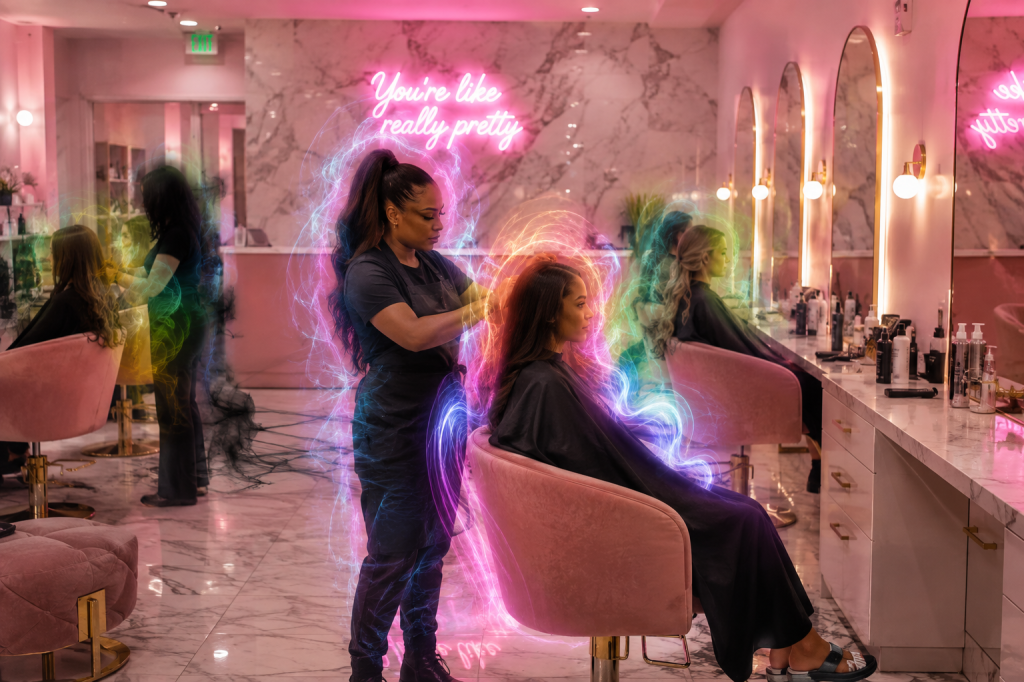
Remember, the issue isn’t that people share too much.
You can listen without absorbing.
You can care without collecting.
Learning to recognize that difference is one of the most valuable forms of protecting your own energy.
Once you start to notice it, you’ll see the pattern emerge.

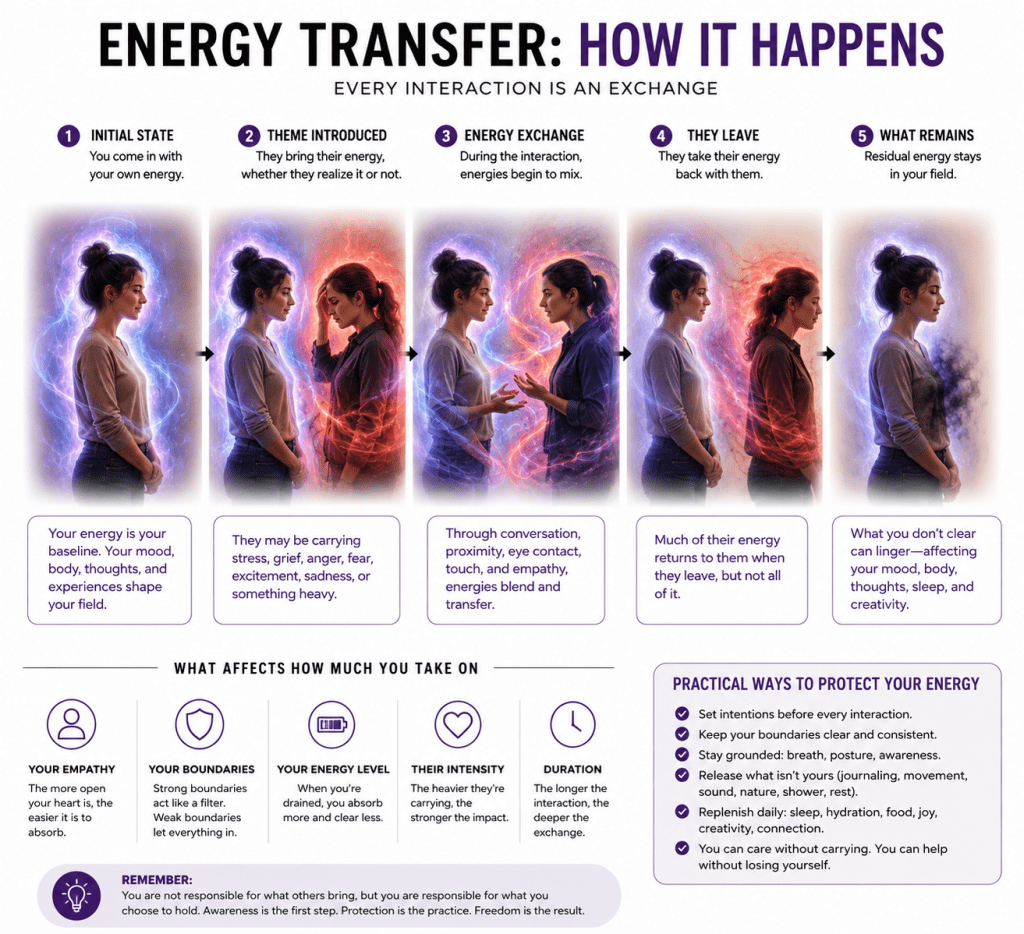
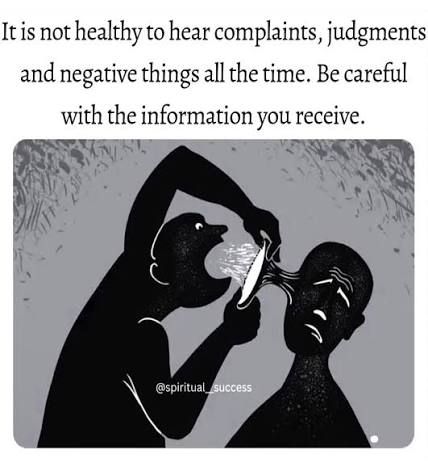
Look at the diagram below. It illustrates the residual, stagnant energy that remains on you from a brief interaction with someone for just a short exchange.
Check out this TikTok I found that provides an alternative example of energy transfer with an object that detects energy.
Allow me to give you another example of how something unwanted can quietly accumulate without your awareness and the impact it can have on you once you’ve carried it long enough.

Imagine walking into a grocery store with a carefully planned shopping list and a strict budget.
Before you leave the house, you check the fridge and the pantry and do a thorough inventory to assess what needs to be purchased.
You stopped on the way to the store and pulled out the cash to cover the cost of the items on your list that you already added up and factored in all the discounts and coupons fir the trip to know your exact budget.
You recently implemented a new budgeting system to help manage your expenses, and this shopping trip is part of that process.
It requires a little more effort while you’re in the store because many of your digital coupons apply only to specific brands, sizes, quantities, or package varieties. You have to pay close attention to what you’re placing in your cart to make sure each item qualifies. Otherwise, the coupon will be rejected when you hand your phone to the cashier at checkout.
You don’t want to be that customer holding up the line while trying to figure out why the discounts didn’t apply.
None of this catches you by surprise, though. You knew these requirements before leaving the house. You expected to spend a little extra time in the store, planned accordingly, and accepted that it was simply part of the process.
As you’re making your way through each aisle, you’re paying close attention to your digital coupons on your phone one minute and carefully studying products the next to make sure they meet the exact size and quantity requirements. You’re feeling accomplished because your new budgeting system is working exactly as you intended.
Unbeknownst to you, another pair of shoppers has been watching you for the past few aisles.
For whatever reason, they find your careful, methodical shopping entertaining. They laugh with one another, and while your back is turned, they quietly slip a few small but somewhat expensive items into your cart, thinking it’ll be funny when you discover them later.
At first glance, their effort seems pointless. You’ve been so intentional throughout your shopping trip that the chances of those items actually making it to the checkout are incredibly slim. You’re constantly comparing products to your coupons, reviewing your cart, and making sure every purchase belongs there.
The only way those extra items would become your responsibility is if your attention drifts long enough for them to go unnoticed.As you approach the checkout, the pair deliberately falls in line behind you and begin to create commotion to distract you to ensure their little prank was successful and just as you are mud way through unloading your cart onto the conveyor belt, your phone rings. While your attention is pulled in another direction for only a few seconds, you continue placing items on the belt without giving your cart one final glance. This is mainly due to their unnecessarily loud banter and very unnatural shopping etiquette but, hey, you are almost done and headed home and won’t see these two idiots again. You have unknowingly added these items to your total cost.
You hand your phone to the cashier to scan your digital coupons, confident that you’ve done everything right. Then, the total appears on the screen.
It’s much higher than you expected.
Confused, you begin questioning yourself.
Did one of the coupons fail to apply?
Was something priced incorrectly?
Did an item get scanned twice?
You know exactly how much cash you brought because you planned ahead. As the people behind you continue talking loudly, laughing, and waiting for the line to move, you begin to feel rushed.
Rather than holding everyone up while you search through every item in your cart, you pull out your credit card and pay the balance.
You walk out of the store, frustrated.
Minutes earlier, you walked in feeling confident because your new budgeting system was working exactly as you intended.
Now you’re leaving second-guessing yourself, replaying the entire shopping trip in your mind, wondering where you went wrong. You’re upset about the unexpected phone call, disappointed that you abandoned your process, and frustrated that all of the preparation you put into sticking to your budget seems to have failed.
The truth is, your system didn’t fail.
And you don’t even know about the prank that was pulled on you yet.
After all, the prank itself isn’t what costs you money.
The distraction was.
Those items were never yours to begin with, but because your awareness was redirected at the exact moment you needed it most, you unknowingly claimed responsibility for them.
You leave the store carrying more than you intended.
Once you’re home, you’ll have to reshuffle your finances to make up for money you never planned to spend.
Emotional burdens work much the same way.
No matter the circumstances, it’s important to be mindful of both what you carry and what you leave behind.
Just as important as recognizing what belongs in your cart is recognizing what doesn’t.
Not everything that ends up in your possession was meant for you to carry.
Some things are placed there intentionally.
Some arrive through distraction.
Some simply go unnoticed.

It’s also like having one moldy orange into a bowl of fresh ones. You don’t notice it because it’s molding at a part that is not visible unless you take them off the fruit bowl one by one.
Over time, the mold spreads.

People can influence us in much the same way.
Prolonged exposure to chronic stress, negativity, anxiety, or conflict can gradually affect your own mood and outlook, often without you realizing it.
That’s why it’s important to periodically ask yourself the following questions.
“Is this feeling actually mine?”
“Did I feel this way before this interaction?”
Awareness creates choice.
As you start recognizing what drains your energy and what replenishes it, you can become more intentional about limiting the emotional impact others have on you.
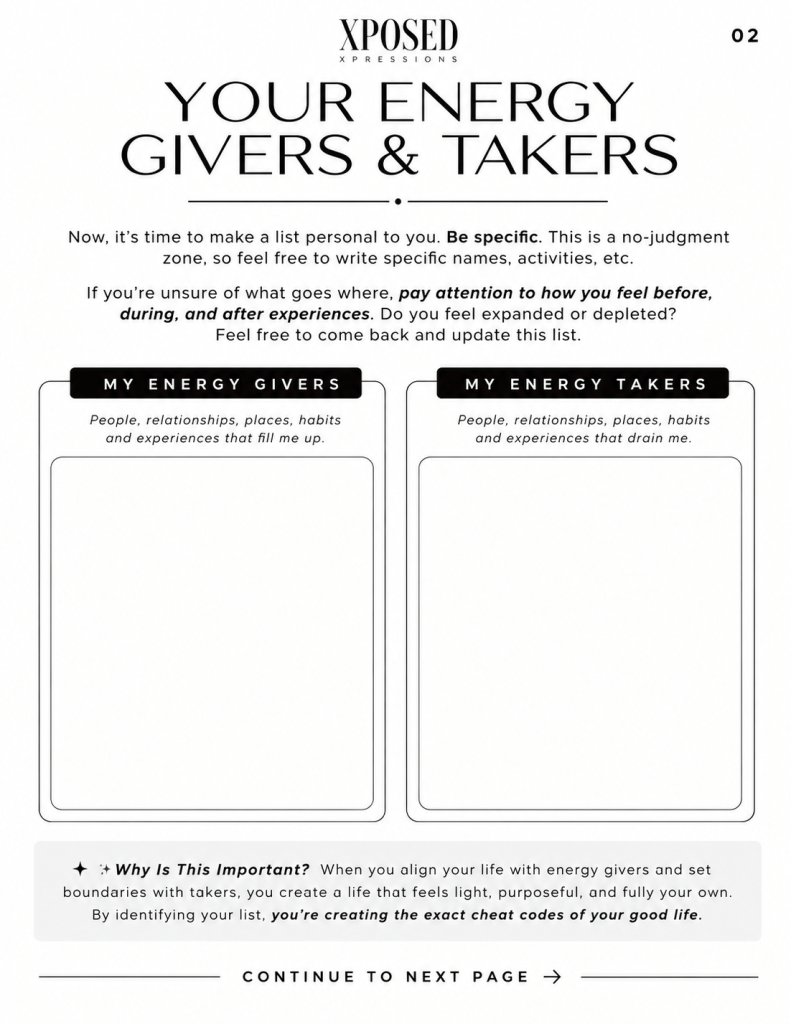
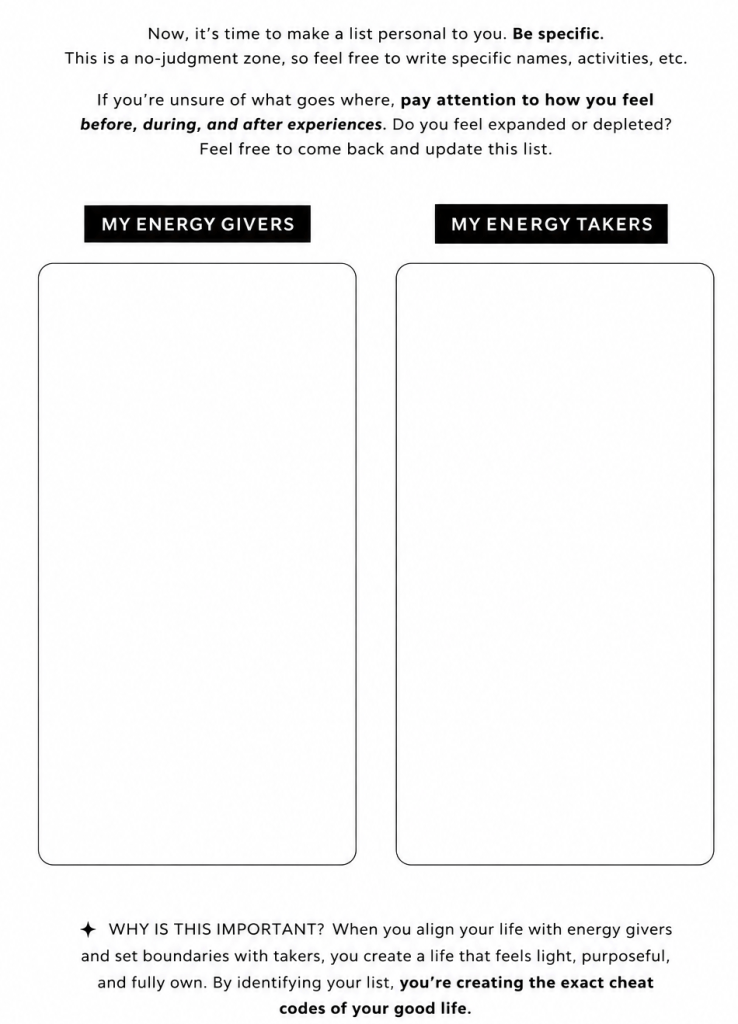
Below are two worksheets where you do an evaluation of what you have in your life that is draining you and what is fueling you. The pdf is available at the bottom of the page for you to download and complete.
Use these worksheets to identify the people, places, and situations that consistently restore your energy and the ones that leave you feeling overwhelmed.
The value isn’t in completing the worksheet.
It’s in recognizing patterns and using them to create healthier boundaries and better protect your emotional well-being.
Energy Tranference in the Workplace

If you work in a field that involves having many different clients, patients, customers, students, or the public, that you come in contact with daily you need to understand that you’re providing them more than a service.
Every interaction at work requires your attention, patience, emotional bandwidth, and presence.
Because of that, it’s important to have a personal protocol put in place for protecting your emotional well-being before, during, and after those interactions.
Make Alterations to the Ambiance @ Work
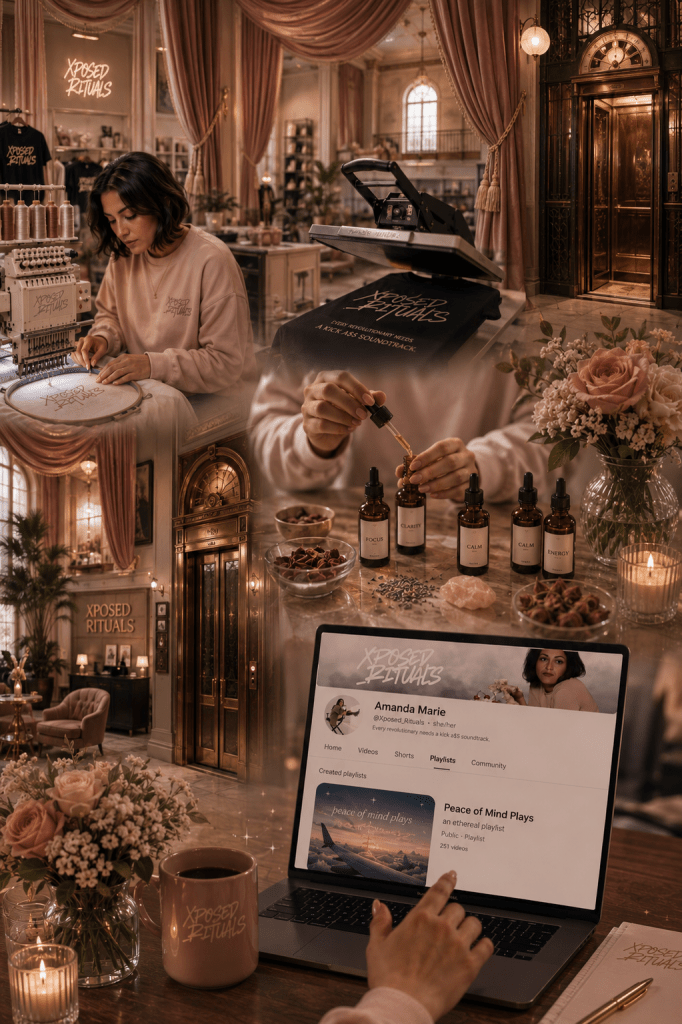
If you have the luxury to have a little flexibility in your work environment and your designated space, I can not emphasize enough, DO IT!
Even if it’s limited to just your workspace, do a lot with what little you have.
Sounds
Music has the ability to shape the atmosphere of a space long before the first conversation begins. Rather than allowing the emotional tone of everyone around you to dictate your day, intentionally choose sounds that create the environment you want to work in.
If it’s just you:
Start listening before you even arrive. Play your playlist during your commute while setting up your station or through one earbud if permitted. Over time, those familiar sounds become a cue that it’s time to leave the outside world behind and step into a calmer, more focused mindset.
If you have your own workspace:
Let your workspace reflect the same intention. If you’re able to play music softly, choose sounds that encourage relaxation without demanding attention. Your clients may never comment on the playlist, but they’ll remember how your space made them feel.
If you own the storefront:
Think of your music as another part of your brand. Just as carefully as you choose your décor, lighting, and scent, curate the soundtrack that fills your business. Create playlists that complement different parts of the day, welcome clients as they enter, maintain a calm atmosphere during busy hours, and help everyone transition into closing time.

No matter which category you fall into, check out my YouTube channel, @Xposed_Rituals, and my Peaceful Plays™ playlist.

It was created specifically for professional work environments and is just as effective for a personal workstation as it is for an entire storefront.
It blends ethereal R&B, neo soul, ambient instrumentals, nature sounds, crystal singing bowls, and carefully selected frequency inspired mixes, including many 432 Hz and binaural beat remasters of songs you already know and love.
The atmosphere is woven together, so naturally, you may not even realize why the space feels different. You may simply notice that everyone, including yourself, leaves feeling a little lighter.
Here’s the link to check that out.
https://youtube.com/playlist?list=PLSLjPzq2cVDo&si=wCujiuHQrRUsA6y-
Even if that’s not your thing, be sure to choose music that grounds you.
If you want to skip all the individual suggestions, you can head straight over to my Amazon Storefront, where I’ve created an Idea List specifically for the products I highly recommend incorporating into your professional space.
Whether that means lighting a Diva candle the moment you arrive because the scent instantly gives you that familiar sense of comfort, or walking into your workspace and heading straight to your Amazon Echo Show 15, where my Peaceful Plays™ playlist is already saved and ready to go with just a few swipes, these little details can completely change the atmosphere of your day.
Before you know it, calming chords are filling the room, the lighting is right, the space smells good, and you’ve created another layer of ambiance that doesn’t just help you move through your day. It creates an experience your clients can feel too, even if they can’t quite put their finger on why the space feels different.
Life is too short to spend every day simply enduring the environment you’re working in. Find little mood enhancing accelerants that make you feel good, ground you, and help you shift into the energy you need, even when you’re walking into a busy day that already has a hundred things waiting for you.
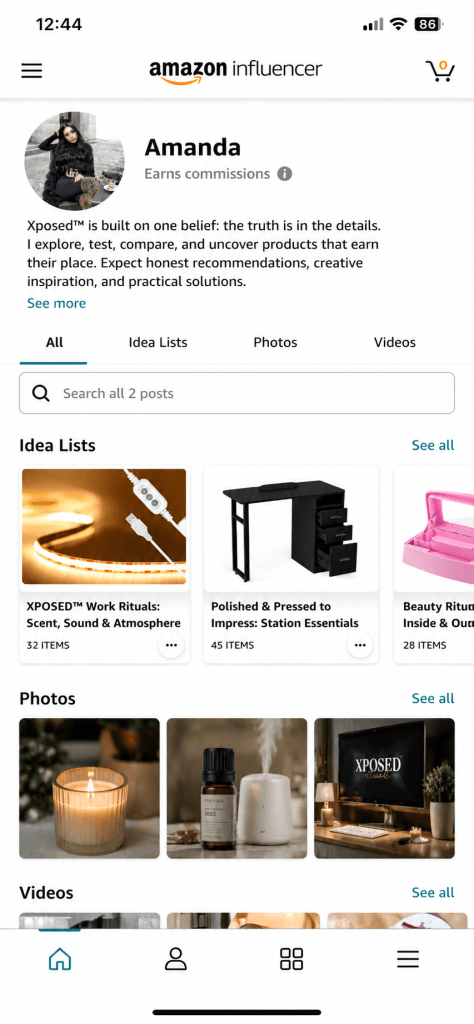
Here’s the link
https://www.amazon.com/shop/influencer-c0175a48/list/2XLBORA96W95H?ref_=aipsflist
Scent
Scent is one of the strongest memory triggers we have. Long after someone forgets a conversation, they’ll often remember how a place smelled. Whether it’s for yourself, your clients, or your team, a signature scent can help create a subtle sense of familiarity, comfort, and consistency.
If it’s just you:
Choose one fragrance, perfume, essential oil, or aromatherapy roller that you wear only while working. Over time, that scent can become a personal cue that it’s time to transition into work mode.
If you have your own workspace:
If your workplace allows it, use a small diffuser, reed diffuser, linen spray, wax warmer, or lightly scented hand lotion. Keep the fragrance subtle. The goal is to create a pleasant atmosphere, not overwhelm the space. Be mindful that some people have fragrance sensitivities.
If you own the storefront:
Develop a signature scent that becomes part of your brand identity. Just like your music, lighting, and décor, scent contributes to the overall experience. Customers may not consciously notice it, but they’ll remember how your business made them feel. Consider using the same fragrance throughout your lobby, waiting area, restrooms, and retail space to create a consistent sensory experience.
My Favorite Scent Upgrade
If it’s just you, wash your work clothes with Tyler Candle Company’s Diva Glamorous Wash.

And No, I’m not an affiliate.
I simply love it.
If it’s just you:
One of my favorite little luxuries is Tyler Candle Company’s Diva® Glamorous Wash. It’s available on Amazon and from many boutiques.
A little goes a long way. I use about a capful when washing my work clothes, and once the dryer activates the fragrance, getting dressed for work feels a little more intentional. It’s a simple ritual that helps me transition into my workday.
If you own the business:
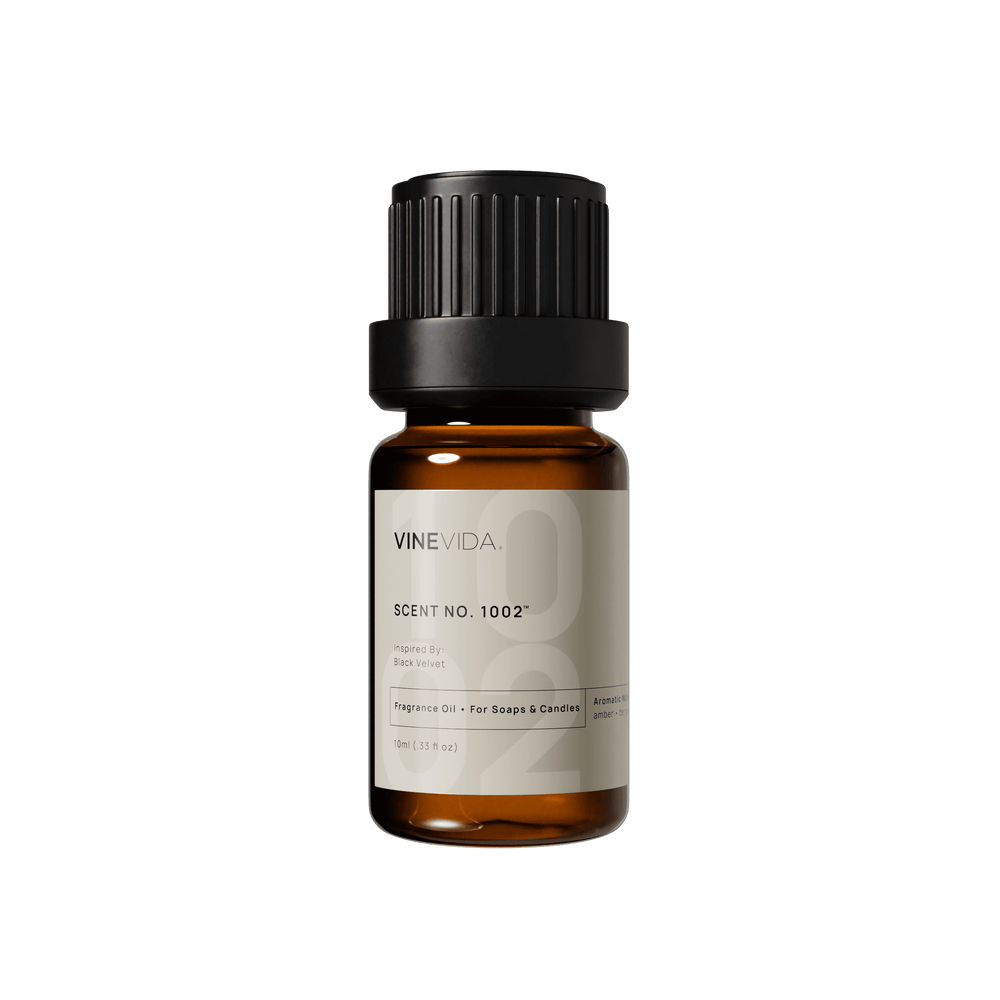
Invest in a waterless diffuser and a few hotel inspired fragrance oils.
Subscribe to one of those Facebook group that’s for Amazon Deals and Codes.
They have the waterless diffusers on there all the time with extreme discounts.
Heres the link to one:
https://www.facebook.com/share/g/1GqcKUzFak/
I always go on google first and look for the cheapest site before I head to Amazon right away.
The hotel scents are uni-sex, and all share that same clean, luxurious atmosphere people associate with high-end hotels. It’s one of the simplest ways to elevate the experience before you’ve even greeted your first customer.
Vine Vida is a good & affordable start. Amazon sells Vine Vida, and if you already pay for Prime, you might pay a few dollars more on Amazon, but you aren’t paying shipping like you would through the Vine Vida site. I suggest getting the hotel scent bundle pack and small bottles, and check which one you like the most before blindly buying a big bottle.
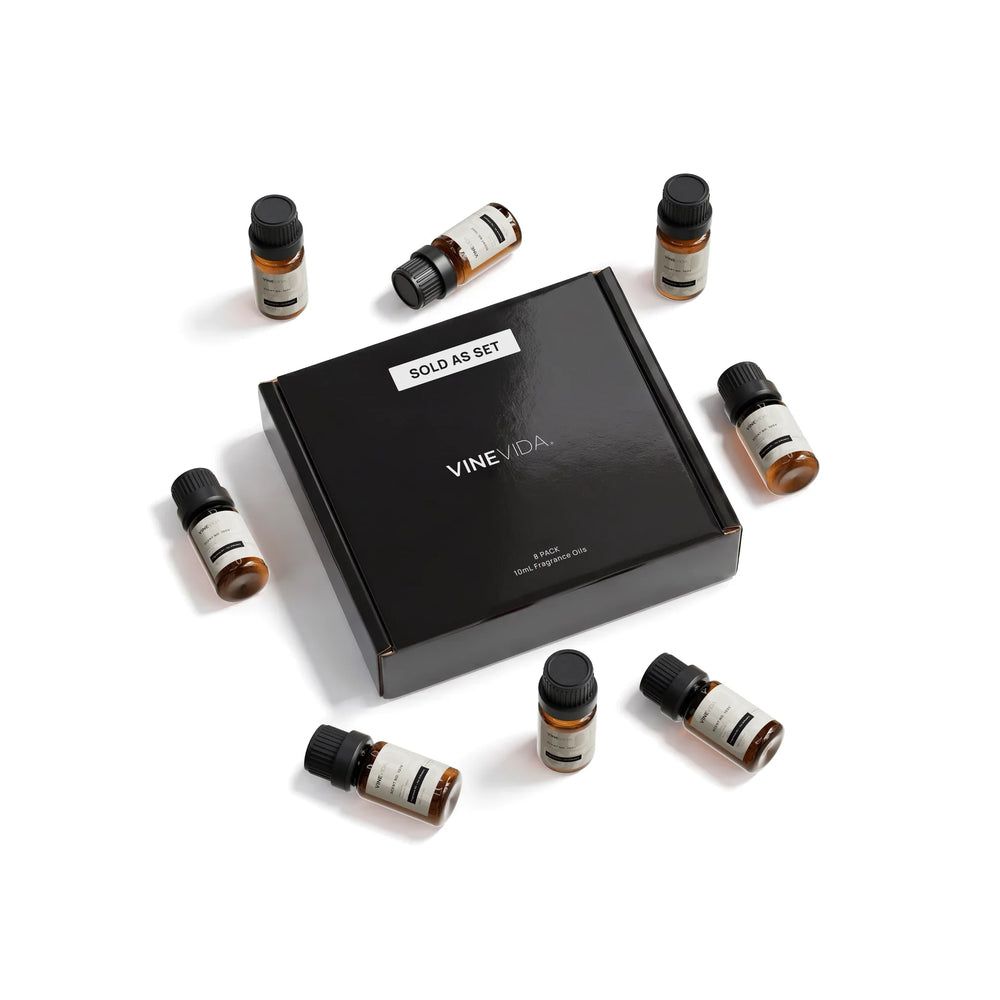
Here’s the link for the whole set for $20 on their site.
Or if you wanna save a few dollars, order from Vine Vida still, just through Amazon.

Here’s the link.
https://www.amazon.com/VINEVIDA-Luxury-Hotel-Scent-Collection/dp/B0GHZL2NK4/ref=ast_sto_dp_puis
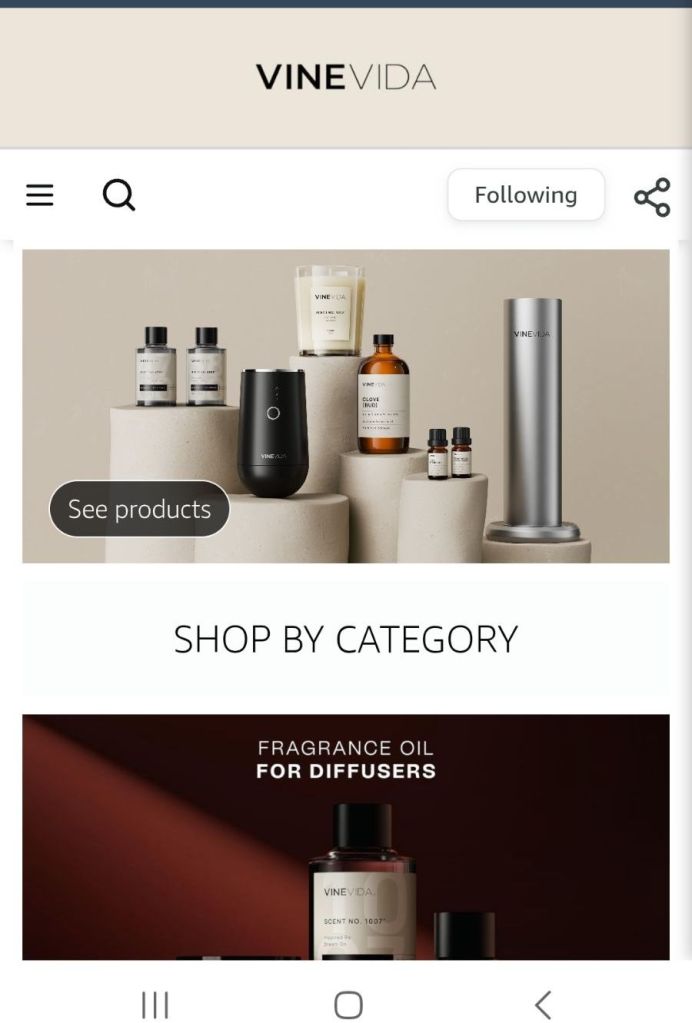
https://www.amazon.com/VINEVIDA-Luxury-Hotel-Scent-Collection/dp/B0GHZL2NK4/ref=ast_sto_dp_puis
Lighting
Lighting influences more than just how a space looks. It affects mood, energy, focus, and the overall experience of everyone in it. While you may not always have control over the overhead lights, you can usually make small adjustments that create a noticeably different atmosphere.
If it’s just you:
Use warm lighting whenever you can outside of work to help your mind transition into and out of your workday. If you’re getting ready before sunrise or winding down after your shift, avoid harsh overhead lighting and opt for warm lamps instead.
If you have your own workspace:
If your workplace allows it, add a small warm LED lamp, battery operated accent light, or soft puck lighting to your station. Even subtle lighting can make your workspace feel more inviting while helping reduce the harshness of fluorescent lights.
If you own the storefront:
Lighting is one of the most overlooked parts of the customer experience.
Layer your lighting instead of relying solely on bright ceiling fixtures. Use warm lighting in waiting areas, decorative lamps throughout the space, under cabinet lighting, wall sconces, candles where appropriate, and accent lighting to highlight retail displays or architectural features. Natural light is always a bonus whenever possible.
A well lit business doesn’t have to be the brightest room. It should be the room people feel most comfortable walking into.
Schedule
Your schedule is just as much a part of your environment as your workspace. Sometimes the fastest way to reduce stress isn’t changing your job. It’s changing when and how you do it.
If it’s just you:
Take an honest look at your week. Which day consistently leaves you exhausted? Which part of your day feels rushed? Sometimes a small adjustment can make a noticeable difference.
Maybe taking your lunch at 1:30 instead of noon helps you avoid the rush and actually enjoy your break. Maybe preparing tomorrow’s clothes and lunch the night before makes your mornings feel less chaotic.
If you have control over your schedule:
Challenge routines you’ve accepted without question.
If Mondays are consistently overwhelming, could you make that your day off and work a longer shift on Friday instead? If you’re more productive in the morning, could you block that time for your most important work? If you’re constantly interrupted, could you schedule uninterrupted focus time before opening or after closing?
The goal isn’t to work harder.
It’s to work smarter.
If you own the storefront:
Design your business around what actually works, not what everyone else is doing.
Stagger employee lunches so no one feels rushed. Schedule your administrative work during slower business hours instead of squeezing it between clients. Reserve time each week for inventory, deep cleaning, ordering supplies, marketing, and planning instead of waiting until everything becomes urgent.
Protect your calendar as intentionally as you protect your finances.
Every “yes” to one thing is a “no” to something else.
Do Something Different
If something drains you every single week, stop assuming that’s just the way it has to be.
Ask yourself the following things…
• What could I rearrange?
• What could I automate?
• What could I simplify?
• What could I delegate?
• What could I stop doing altogether?
Small adjustments made consistently often have a greater impact than major changes made once.
Every change begins with a plan.
Whether you’re adjusting your work hours, redesigning your mornings, creating a better lunch routine, or restructuring an entire business, write it down before you try to live it.
That’s why I use one planner for everything.
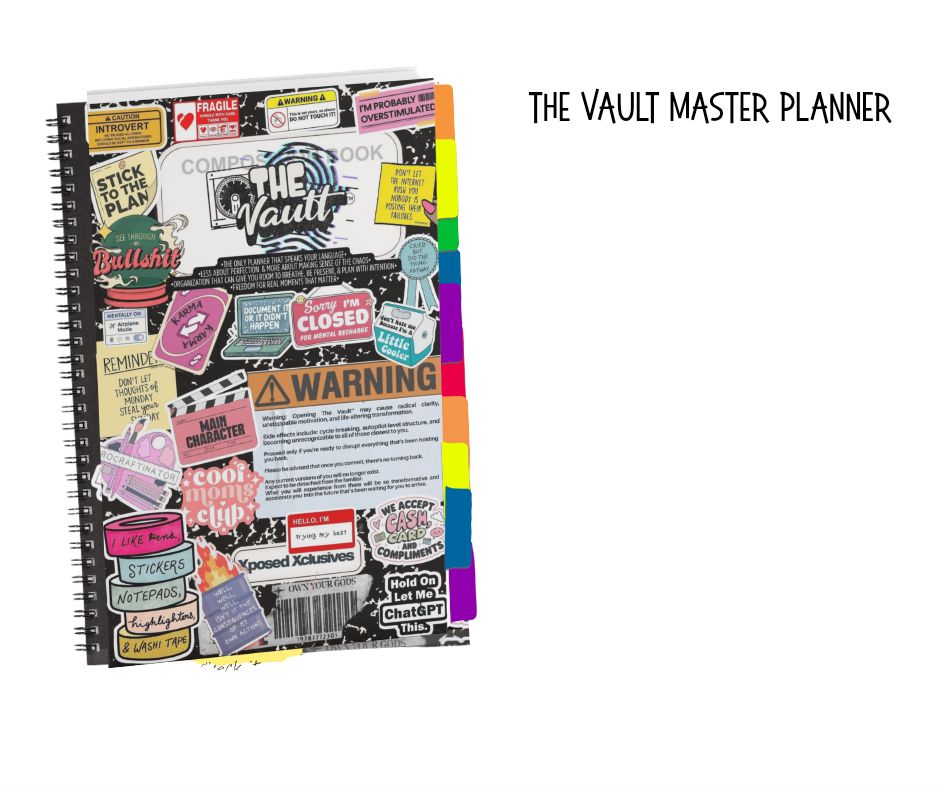
My Vault Master Planner goes everywhere with me.
It’s my calendar, notebook, project manager, brain dump, and decision-making system all in one place.
The best planner isn’t the one with the most features.
It’s the one that’s with you when life happens.

Flowers & Plants
Fresh flowers and greenery have a way of softening a space. They add warmth, color, and life while creating an atmosphere that feels more welcoming and thoughtfully designed. You don’t need an expensive arrangement to make an impact.
If it’s just you:
Treat yourself to a small bouquet of fresh flowers every week or two. Place them somewhere you’ll see them while getting ready for work or when you come home. If fresh flowers aren’t practical, choose a low maintenance plant that brings a little life into your routine.
If you have your own workspace:
If your workplace allows it, place a small vase of fresh flowers or a simple plant at your station. Even one stem can brighten your workspace and subtly enhance the experience for both you and your clients.
If you own the storefront:
Flowers and plants become part of your brand’s first impression. Display fresh arrangements at your entrance, reception desk, or waiting area. Add greenery throughout your business to soften the space and make it feel more inviting. Rotate seasonal flowers to keep your environment feeling fresh and intentional.
My Favorites
Some of my favorite low-maintenance plants include peace lilies, snake plants, Pothos, and Monstera. They’re beautiful, relatively easy to care for, and instantly make a space feel more alive.
For fresh flowers, you don’t have to spend a fortune. Grocery stores like Trader Joe’s, Costco, Aldi, Sam’s Club, and even your local supermarket often have beautiful bouquets at reasonable prices. Sometimes, a simple arrangement does more for the atmosphere than an expensive piece of décor.
People may not remember every detail about your business, but they’ll remember how it made them feel. Fresh flowers and greenery quietly communicate that someone cares about the space and, by extension, the people in it.
Crystals
Whether you view crystals as meaningful symbols, reminders of your intentions, or simply beautiful natural décor, they can serve as a visual cue to pause, refocus, and reconnect with how you want to show up throughout the day.
If it’s just you:
Carry a crystal in your pocket, purse, or backpack, or wear one as jewelry. Every time you notice it, let it be a reminder to check in with yourself. Ask, How am I feeling? What do I need right now?
If you have your own workspace:
Place one or two crystals somewhere you’ll naturally see them throughout the day. They don’t have to be large or expensive. Even a small stone beside your computer, cash register, or workstation can become a quiet reminder to stay grounded.
If you own the storefront:
Incorporate crystals into your décor in a way that feels authentic to your brand. Display them on shelves, reception desks, retail displays, or waiting areas. Whether your customers believe in their metaphysical properties or simply appreciate their beauty, they add texture, warmth, and a natural element to your space.
Whether you believe crystals carry energy or simply appreciate them as beautiful reminders of your intentions isn’t the point.
The value comes from creating small moments throughout your day that encourage you to pause, reset, and become more intentional about the energy you bring into every interaction.

These aren’t just aesthetic choices.
They’re anchors that help you return to a place of balance throughout the day.
Your workspace shouldn’t only support your clients.
It should support you, too.
Simple rituals can also help.
Take a few intentional breaths before greeting your next client.
Let washing your hands becomes more than a sanitary habit.
Use it as a mental reset between one interaction and the next.
Most importantly, learn to filter what deserves your emotional investment.
Not every complaint requires your attention.
Not every argument deserves your energy.
Not every opinion belongs in your mind.
There’s a difference between acknowledging reality and allowing it to become your permanent emotional environment.
At the end of each day, ask yourself one question:
What did I carry home today that was never mine to begin with?
The answer may explain more than you realize.
Your greatest asset isn’t just your talent, intelligence, or work ethic.
It’s your ability to remain grounded while surrounded by people carrying heavy burdens.
Empathy allows you to understand what someone else is feeling.
Healthy boundaries remind you that understanding it doesn’t mean you have to carry it.
If you’ve been feeling unusually irritable, mentally exhausted, less creative, impatient, or burned out, ask yourself whether the work is truly draining you or whether you’ve been carrying emotional weight that was never yours.
Often, it’s not one difficult conversation that overwhelms us.
It’s the accumulation of dozens of small ones.
By the end of the day, you’re no longer carrying only your own experiences.
You’re carrying pieces of everyone else’s, too.
Learning to recognize that difference is one of the most valuable forms of self-preservation.
Making Difficult Decisions
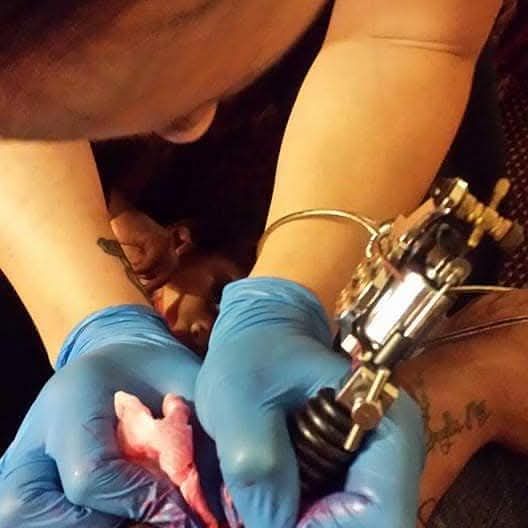
When I first began tattooing, I was obsessed.
Every blank piece of skin was a chance to create something permanent and meaningful. Being trusted with that responsibility felt like an honor, and those projects reminded me why I fell in love with tattooing.
Over time, those moments became fewer.
The work became repetitive. The constant revisions, late arrivals, cancellations, and emotional investment slowly chipped away at my enthusiasm.
At the time, I thought I was burning out because of the industry.
Looking back, I think I was exhausted for a different reason.
I wasn’t just tattooing people.
I was spending hours immersed in their lives.
Every appointment became a place where people shared grief, trauma, divorce, addiction, fear, hope, loss, and dreams they had never spoken aloud before. I wasn’t only creating artwork. I was listening, reassuring, comforting, and remaining focused while carrying the emotional weight of those conversations.
My clients often left feeling lighter.
I didn’t realize I was leaving heavier.
Years later, I came across the idea of emotional contagion, which many people also describe as energy transfer. Whether you explain it through psychology, neuroscience, empathy, or spirituality wasn’t the part that mattered to me.
For the first time, I had language for an experience I had been living for years.
I finally understood why I felt emotionally exhausted even when I wasn’t physically tired.
Why did my creativity had faded.
Why I needed more silence than I used to.
Walking away from tattooing wasn’t about losing my passion.
It was about saving the parts of myself that constant emotional exposure had slowly worn down.
If I could go back and tell my younger self one thing, it would be this.
Protect your creativity by protecting your energy.
Listen with compassion.
Create with intention.
But don’t leave carrying what was never yours to keep.
That’s a lesson that extends far beyond tattooing.
Anyone whose career revolves around people eventually learns that talent alone isn’t enough.
Your greatest asset is your ability to leave work with your own peace, your own mind, and your own sense of self still intact.
XX
❤️Leave me a comment & tell me what piece of advice you took with you that worked, and don’t hesitate to share a photo!❤️
Are you curious about energy transfer and want to know more?
Download the Entire Packet Below!
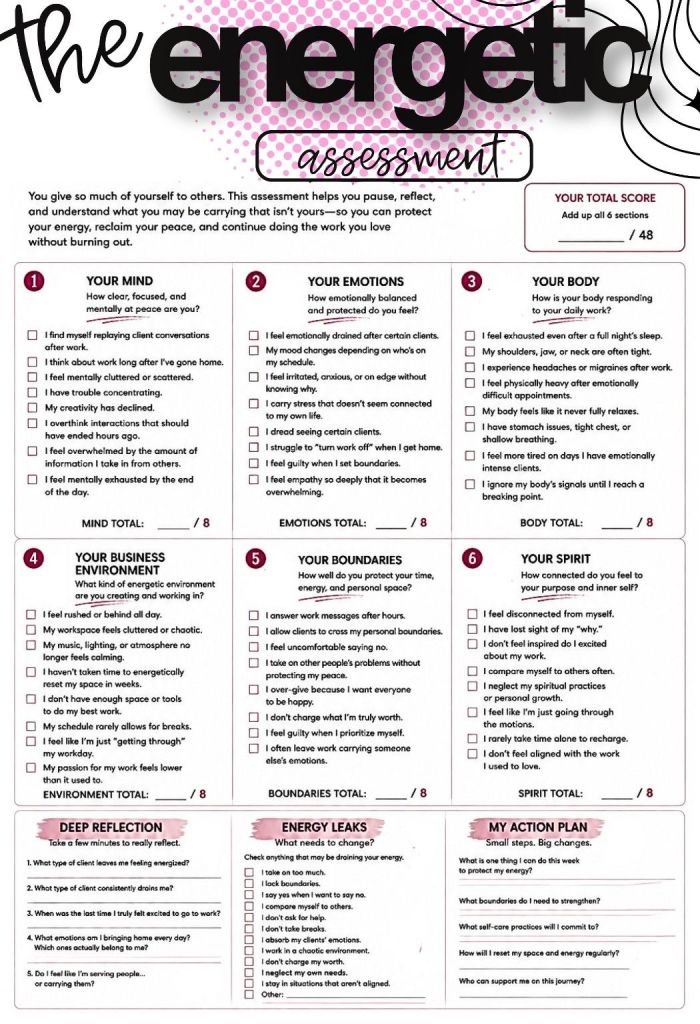
Here’s the free download for all three freebies!

